
Reviewed · ROME
Rome: Treasure Hunt for Kids and Families Trevi and Pantheon
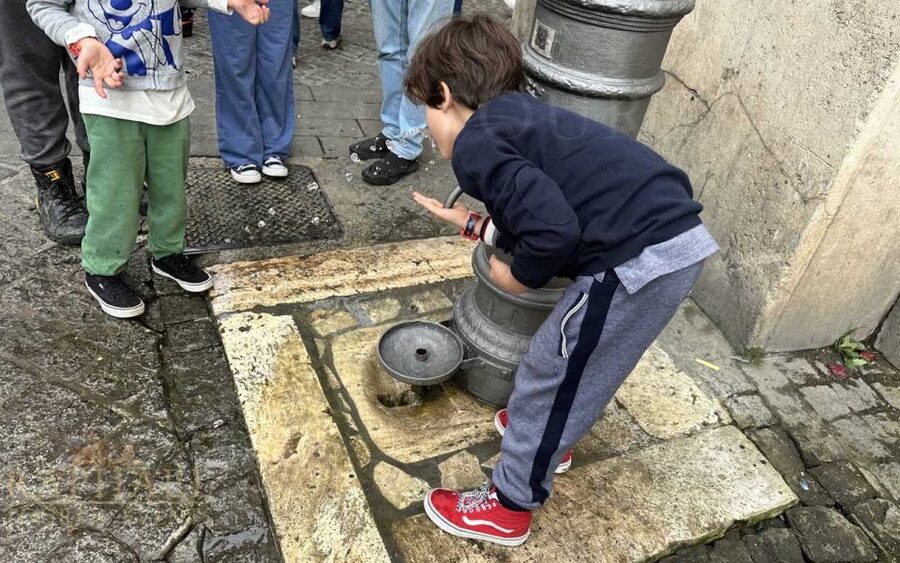
A Rome sightseeing walk can lose a child somewhere between the second church and the fourth marble statue. This two-hour treasure hunt solves that problem by giving young visitors a job: spot clues, answer questions, and notice small details at the Pantheon, Trevi Fountain, Spanish Steps, and Piazza Navona.
I like the way the activity turns Rome into a game without stripping away its history. I also like the guide-led format, since a good guide can adjust the questions for children while still giving adults worthwhile stories. One thing to consider is the price: at $105 per person, this is a serious family expense, and the walking route is not suitable for wheelchair users or people with mobility impairments.
Key points at a glance
- Clues at famous monuments: Look for details around the Pantheon and Trevi Fountain instead of simply passing by for photographs.
- Games for mixed ages: Quizzes, trivia, and guide-led activities keep children involved while adults hear stories about Rome.
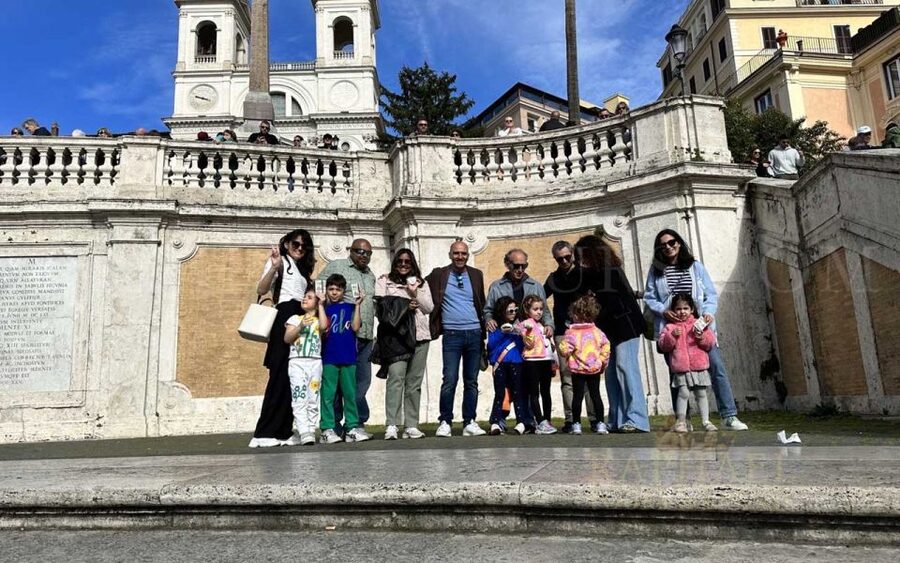
- A central Rome route: The walk connects Piazza Mignanelli, the Spanish Steps, Trevi Fountain, the Pantheon, and Piazza Navona.
- English-speaking local guide: Guides have included Maria, Tomas, Bruno, Francesco, Gabriël, and Alessandra.
- A prize for the winner: The winning child or team receives a prize, adding a simple finish to the hunt.
- A walking tour with limits: The route lasts two hours and is not recommended for wheelchair users or people with mobility difficulties.
Starting at Piazza Mignanelli
You meet your guide by the Column of the Immaculate Conception in Piazza Mignanelli. This is a useful starting point because it puts you close to the Spanish Steps and the busy historic center, but you should allow a little time to find the column among the surrounding streets and squares.
The meeting point gives the guide room to explain the rules before the group sets off. The activity is not simply a list of monuments. Your children are expected to watch, listen, answer questions, and search for clues. That structure matters in Rome, where the most interesting details can be easy to miss when everyone is focused on reaching the next major sight.
The guide speaks English, and the activity is designed for families. Children are not left to follow an adult lecture. Instead, the guide may ask them to find a carving, identify a feature, or solve a question linked to the place in front of them.
More Family and Kids Games in Italy
- Rome: 2.5-Hour Family Vatican Highlight Scavenger Hunt
★ 4.6 · 51 reviews - Private Family Scavenger Hunt & Art Lab Tour – Rome Landmarks
★ 5.0 · 30 reviews - Private Family Scavenger Hunt & Art Lab Tour– Rome Landmarks
★ 5.0 · 7 reviews
The Spanish Steps and Rome’s central streets
The Spanish Steps are likely to be one of the first major stops after the meeting point. They are an easy place to begin a city game because the setting is instantly recognizable, and the surrounding streets offer plenty to observe as the group moves on.
The walk through central Rome is part of the experience, not empty time between monuments. A guide can point out architectural details and small features that you might miss on your own. One especially useful example from the activity was a request for a child to look for honey bees carved into a column. That is exactly the sort of detail that makes Rome click for young visitors. A child who searches for one carving may start noticing many more.
Expect the pace to be shaped by the questions. You will stop to look, talk, and take photographs rather than march from one sight to the next. That is good for families, though it also means the walk may feel less efficient if your only goal is to see as many monuments as possible.
The route is in the historic center, where streets can be crowded and surfaces uneven. The activity specifically excludes wheelchair users and people with mobility impairments, so this is not the right choice if your group needs step-free access or a slower, fully accessible route.
Trevi Fountain as a clue-filled stop
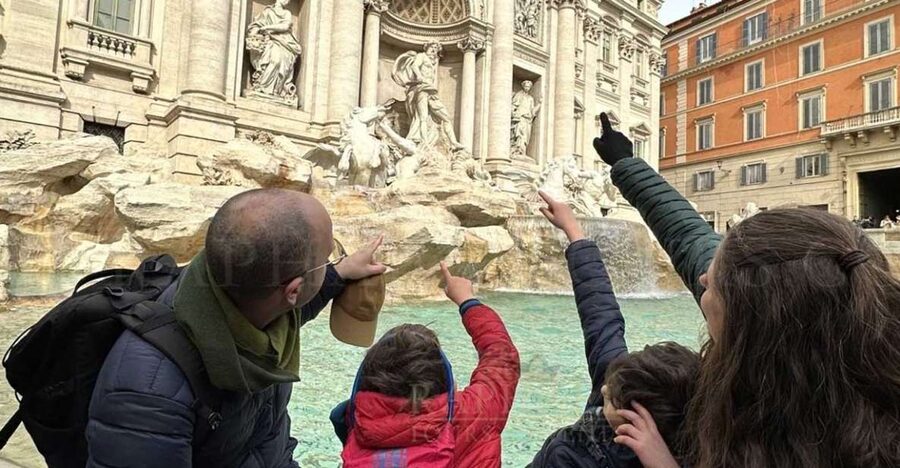
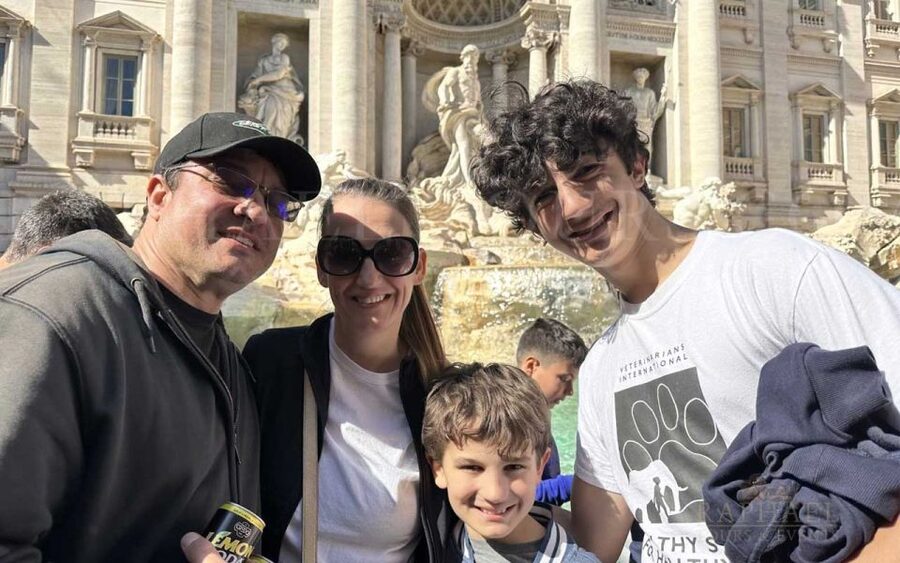
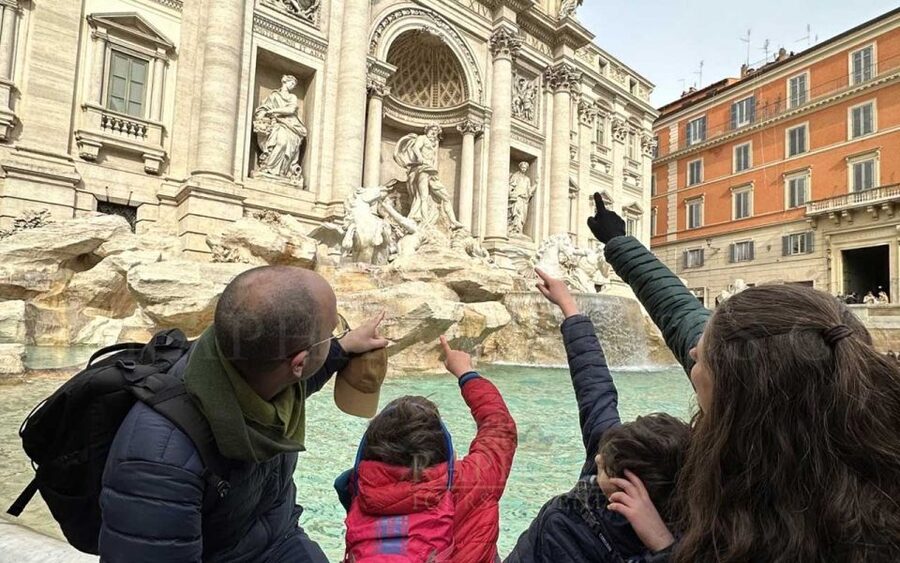
Trevi Fountain is one of Rome’s most famous sights, but a quick visit can become little more than a photograph and a coin toss. The treasure hunt gives children a reason to study the fountain and look for hints rather than glance at it and move on.
Your guide uses trivia and questions to connect the monument with Rome’s past. The exact clues can vary, but the method is clear: look closely, listen to the story, and use what you see to solve the activity. This keeps the fountain from being just a backdrop.
Trevi Fountain is also one of the places where timing and patience matter. It can be a busy stop, and children may need reminders to stay close to the group. The guide’s role is important here. A lively guide can hold attention even when the area feels crowded and distracting.
You should have time for photographs, but this is still a two-hour walk with several major stops. If your family wants a long, quiet visit at the fountain, you may need to return later on your own. The treasure hunt gives you a focused introduction, not an extended photography session.
The Pantheon, the strongest history stop
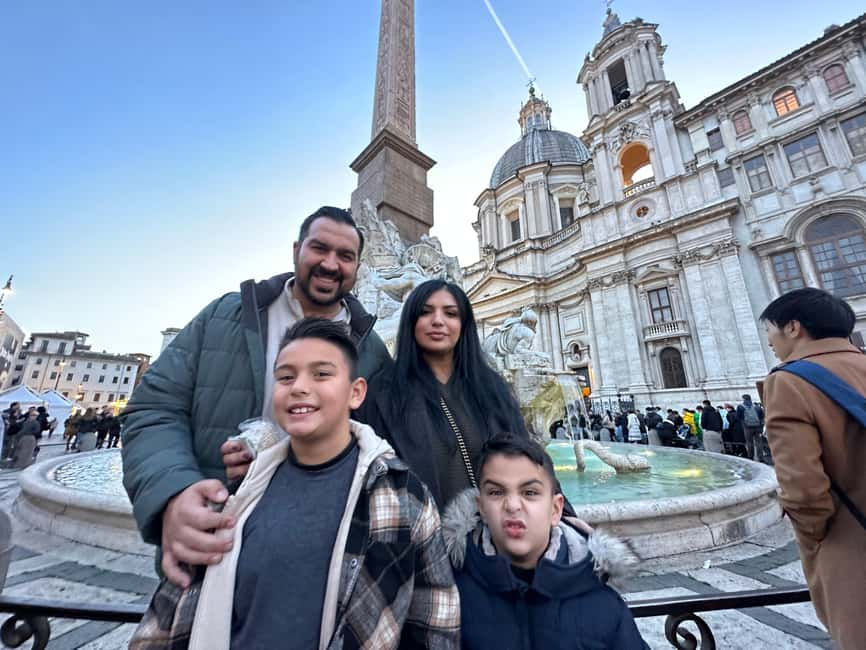
The Pantheon is the most substantial historical stop on this route. Its immense interior and unusual ancient design give the guide plenty to explain, and the treasure hunt offers children a way to take part instead of standing through a formal lecture.
One family found the Pantheon the best part of the tour, and I can see why. It is a place where a child can grasp the basic wonder quickly: this building is ancient, enormous, and still standing in the center of modern Rome. The guide can then add the stories, architectural facts, and small details that make the visit stick.
One guide, Tomas, had already bought skip-the-line tickets for the Pantheon on one occasion. That made the visit easier for that particular group, but you should not assume admission or skip-the-line entry is always included. The published inclusions list a licensed guide and a prize, not entrance tickets. If entering the Pantheon is important to you, confirm the ticket arrangements before booking.
The Pantheon also shows the value of having a guide who can change the level of explanation. Adults may want context about the building and its design, while children may respond better to a clue, a visual detail, or a direct question. The best moments described by families came from this mix of information and participation.
More Treasure Hunts in Italy
- Treasure hunt in Rome, Ghetto and Trastevere
★ 5.0 · 8 reviews - Rome: Spanish Steps, Trevi, & Pantheon Live Treasure Hunt
★ 5.0 · 6 reviews - Rome Treasure Hunt With Leonardo da Vinci
★ 4.0 · 3 reviews - Colosseum and Roman Forum Treasure Hunt Tour for Kids & Families
★ 5.0 · 3 reviews
Piazza Navona and the final stretch
Piazza Navona is another major stop in the central Rome walk. Its open shape gives the group a natural place to pause, gather, and bring the activity toward its finish. The square also works well for a guide’s anecdotes because there is enough space to step aside from the flow of the street.
The route links several of Rome’s best-known places, but it also gives you a feel for the city between them. You walk through streets where churches, columns, fountains, and carved details appear at nearly every turn. The guide helps turn these passing details into part of the game.
The planned duration is two hours. One family described spending about two and a half hours with the guide, so the actual finish may run longer when children are engaged and the group stops for photographs or extra stories. Do not schedule a tightly timed reservation immediately afterward.
The walk is best treated as an introduction to the center. You will see several major highlights, but you will not explore every site in depth. That is a fair trade for a family activity that keeps the group moving and gives children something to do.
How the treasure hunt works for children
The activity uses quizzes, trivia, and clues created by the guide. The goal is not to test children on facts they should already know. It is to make them observe the city and connect what they see with the story being told.
That approach worked well for children as young as seven. Tomas kept a seven-year-old involved by asking her to find specific details, including the honey bees on a column. This is a useful clue about the style of the experience: expect direct prompts, visual searches, and questions that give children a role.
The winner receives a prize. It is a small feature, but it gives the activity a clear finish and can help maintain attention when young children are tiring. Parents should still expect some variation. A child who is sick, tired, or overwhelmed may not want to solve every clue, though one family found that even tired children stayed engaged for much of the walk.
Adults are not pushed to the sidelines. The questions create a family activity rather than a babysitting service, and the guide continues to provide historical anecdotes and architectural information. This makes the tour a better choice than a children-only game if adults in your group also want to learn.
The guides make the difference
The guide is the most important variable in this experience. Guides named in past outings include Bruno, Tomas, Maria, Alessandra, Francesco, and Gabriël. The strongest descriptions consistently point to guides who kept children and adults involved at the same time.
Maria was praised for an engaging approach, while Alessandra held the attention of an entire group for more than two hours. Francesco was noted for pointing out things that a family might not have seen while walking alone. Gabriël was described as approachable and good at sharing useful facts and stories about less obvious places.
You may not be able to choose a particular guide when booking, so it is better to judge the format rather than expect a specific person. Still, those names show the sort of guide you want: warm, alert, comfortable with questions, and willing to slow down when a child spots something interesting.
This is also one of the few family activities that can work for adults without children, though the playful format is central to its charm. If your group has no children, you should be happy with quizzes and a prize-based activity rather than expecting a standard adult history tour.
Is $105 per person good value?
At $105 per person, the cost is high for a two-hour walking activity. The price makes more sense when you see what you are paying for: a licensed English-speaking guide, a planned game, family-focused explanations, and a route through several major Rome sights.
It can be good value for parents who want to avoid spending two hours managing bored children. A private or small-group feeling may also make the cost easier to accept, but the supplied details do not state the group size, so do not assume the outing is private.
The price does not list entrance tickets as an inclusion. That is important at the Pantheon. Since one family received skip-the-line tickets arranged by the guide, ask whether that applies to your booking and whether any ticket cost is extra.
For a family of four, the total rises quickly. I would book it when keeping children involved is a priority and you want a guide to handle the storytelling. I would skip it if you already plan to explore these sights slowly on your own and do not need a game to hold attention.
Who should book this Rome walk?
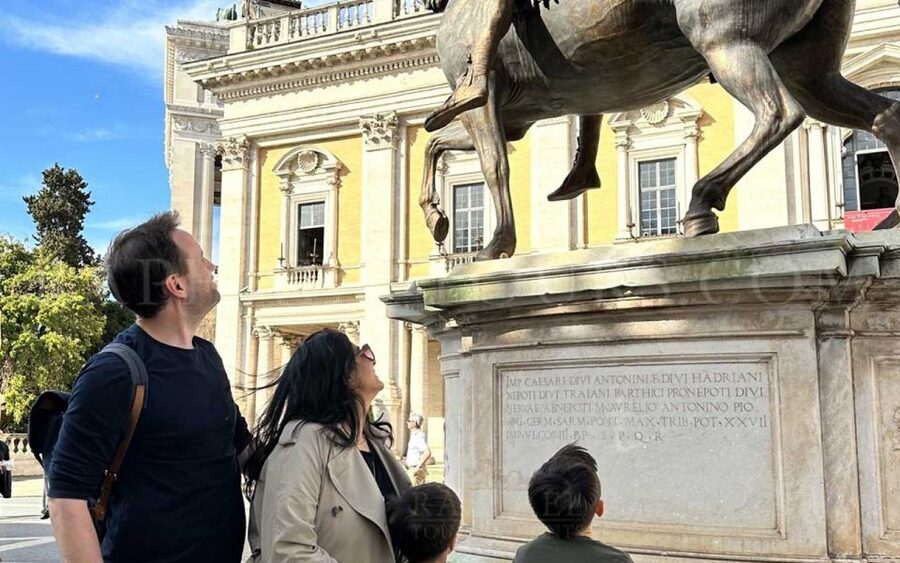
This activity suits families with children who enjoy puzzles, searching, and short challenges. It is also a good choice for a first day in Rome, when a guided walk can help you get oriented among the central monuments.
It works especially well for groups with different interests. Children get clues and trivia, while adults hear about architecture, history, and unusual details. The route also gives you a useful first look at the Spanish Steps, Trevi Fountain, Pantheon, and Piazza Navona.
You should think twice if someone in your group has limited mobility. The tour is not suitable for wheelchair users or people with mobility impairments, and the central Rome route requires walking between stops.
You should also allow extra time around the two-hour plan. One outing lasted about two and a half hours, and a lively guide may stop for more questions, photos, or stories. Keep the rest of your schedule flexible.
Practical booking advice
The activity is offered in English with a live guide. It includes the licensed guide and a prize for the winner. Pantheon entrance arrangements are not clearly listed as standard inclusions, so confirm that point before you pay.
You can cancel up to 24 hours before the activity for a full refund. The reserve-now, pay-later option lets you hold a place without paying immediately, which is useful when your Rome schedule is still changing.
Meet at the Column of the Immaculate Conception in Piazza Mignanelli. Bring comfortable walking shoes and plan to keep children close in crowded areas around the fountains and central streets. Since the route is built around observation, remind children that the goal is to look carefully, not simply rush to the next stop.
Should you book the treasure hunt?
Book this tour if your family wants to see central Rome while children take an active role. The best features are the clue-based visits to the Pantheon and Trevi Fountain, the guide’s ability to engage different ages, and the small details that turn a normal walk into a search.
I would be cautious if $105 per person strains your budget, if you need accessible routes, or if you want a slow, detailed visit inside each monument. For families who value attention, structure, and a guide who can keep young minds working, this is a strong two-hour introduction to Rome.
FAQ
Where does the treasure hunt meet?
Meet your guide by the Column of the Immaculate Conception in Piazza Mignanelli.
How long does the activity last?
The listed duration is two hours. One outing lasted about two and a half hours, so you should leave some flexibility after the planned finish.
What language is the tour offered in?
The activity is offered in English with a live guide.
Which Rome sights are included in the route?
The route includes the historic center, the Spanish Steps, Trevi Fountain, the Pantheon, and Piazza Navona.
What activities do children do during the tour?
Children take part in quizzes, trivia, and clue-based activities created by the guide. They may be asked to find small details at the monuments.
Is a prize included?
Yes. A prize for the winner is included.
Are Pantheon entrance tickets included?
The listed inclusions name a licensed guide and a prize, but do not list Pantheon entrance tickets. One guide had already bought skip-the-line tickets for a particular group, so you should confirm ticket arrangements before booking.
How much does the experience cost?
The listed price is $105 per person.
Can I cancel for a full refund?
Yes. You can cancel up to 24 hours in advance for a full refund.
Is the activity suitable for wheelchair users?
No. The activity is not suitable for wheelchair users or people with mobility impairments.
More Family and Kids Games in Rome
- Rome: Scavenger Hunt For Kids with Prizes around City Center
★ 5.0 · 3 reviews - Hamburg: Scavenger Hunt Self-Guided Tour for Children
★ 4.5 · 319 reviews - Berlin: Self-Guided Family and School Class Scavenger Hunt
★ 4.6 · 128 reviews - Dresden: Old Town Scavenger Hunt for Children
★ 4.6 · 117 reviews
More Treasure Hunts in Rome
- Vatican Treasure Hunt with Guided Tour for Families with Kids
★ 5.0 · 2 reviews - Trevi Pantheon and Spanish Steps Treasure Hunt for Kids & Families in Rome
★ 5.0 · 2 reviews - Hamburg: Treasure Hunt Game through HafenCity
★ 4.7 · 364 reviews - St. Augustine: Treasure Hunt Cruise with Onboard Show
★ 4.4 · 315 reviews
Just added around Rome
- Villa Borghese escape game★ 3.0 · 3 reviews
- Vatican Treasure Hunt with Guided Tour for Families with Kids★ 5.0 · 2 reviews
- Trevi Pantheon and Spanish Steps Treasure Hunt for Kids & Families in Rome★ 5.0 · 2 reviews
- Rome: Hidden Treasures of Trastevere Self-Guided Puzzle Quest★ 4.0 · 5 reviews
- Rome Treasure Hunt With Leonardo da Vinci★ 4.0 · 3 reviews
- Treasure hunt in Rome, Ghetto and Trastevere★ 5.0 · 8 reviews
- Treasures of Rome Scavenger Hunt for Friends Team Building & Company Incentive★ 4.5 · 2 reviews
- Colosseum and Roman Forum Treasure Hunt Tour for Kids & Families★ 5.0 · 3 reviews
Treasure Hunts, compared.


St. Augustine: Treasure Hunt Cruise with Onboard Show
Read our review →

Fun, Flexible Treasure Hunt Around Manchester with Cryptic Clues & Hidden Gems
Read our review →
Fun, Flexible Treasure Hunt Around York with Cryptic Clues & Hidden Gems
Read our review →
Fun, Flexible Treasure Hunt Around Bath with Cryptic Clues & Hidden Gems
Read our review →York Treasure Hunt Adventure: The Mystery of The Gunpowder Snitch
Read our review →Browse the lists this tour appears in