
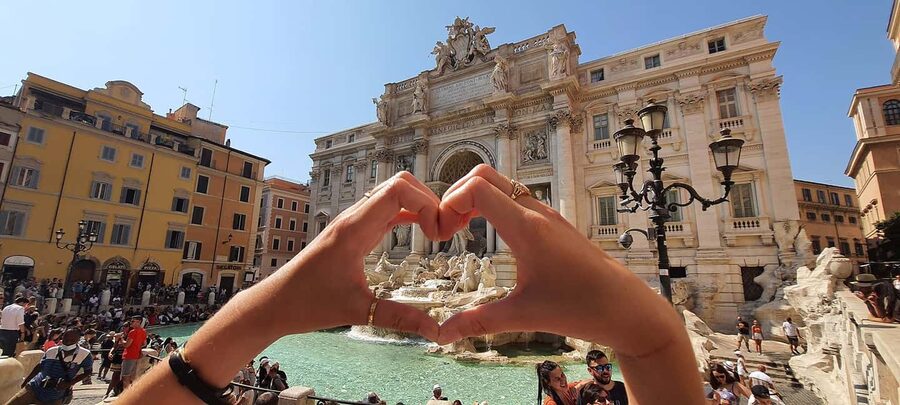
Reviewed · ROME
Rome: Spanish Steps, Trevi, & Pantheon Live Treasure Hunt
Rome’s famous center becomes a game board on this 2.5-hour treasure hunt. You’ll follow clues from Piazza Mignanelli toward the Trevi Fountain and Pantheon, solving riddles and answering questions instead of simply walking past the monuments. It gives children a reason to look closely, listen, and take part.
I like the mix of learning and friendly competition, especially the prizes at the end. I also like that guide Marco has been praised for keeping the clues, quizzes, and Roman stories moving at a good pace. The main consideration is the price: at $105 per person, this costs more than a basic sightseeing walk, so it makes the most sense for families or groups that will use the game format.
Key points to know before you book
- A game through central Rome: The route links Piazza Mignanelli, the Trevi Fountain, and the Pantheon.
- Guide Marco may lead your group: He has been singled out for his engaging style and clear guidance.
- Clues and prizes shape the experience: You’ll answer riddles, tackle quizzes, and compete for a reward.
- Made for children and adults together: The activities turn major monuments into shared family challenges.
- English is the tour language: The experience includes a live English-speaking guide.
- Wear comfortable shoes: The activity takes place outdoors while you walk through Rome’s historic center.
Why this treasure hunt works better than a standard sightseeing walk
Rome can be tough on families. The city offers one grand monument after another, but children may lose interest when the day becomes a string of facts and photo stops. This activity changes the rhythm. You are not only being shown the city. You are looking for clues, solving riddles, and trying to win.
That difference matters. A child who might ignore a fountain can become alert when asked to spot a detail or answer a question about it. Adults get a useful introduction to Rome, while younger participants have a clear job to do. The format also gives your group something to talk about between landmarks.
I especially like the balance between competition and sightseeing. The hunt does not replace Rome’s monuments with a made-up game. Instead, the game directs your attention toward places you already came to see. The Trevi Fountain and Pantheon remain the stars, but the questions help you notice them with more purpose.
The experience has earned a perfect rating from six verified bookings, with praise focused on the guide, the fun quizzes, the useful facts, and the prizes. That is a small sample, so I would not treat it as proof that every group will have the same experience. Still, the pattern is clear: the activity succeeds when you want a social, active way to see central Rome.
More Treasure Hunts in Italy
- Rome: Treasure Hunt for Kids and Families Trevi and Pantheon
★ 5.0 · 14 reviews - Treasure hunt in Rome, Ghetto and Trastevere
★ 5.0 · 8 reviews - Rome Treasure Hunt With Leonardo da Vinci
★ 4.0 · 3 reviews
Meeting near the Spanish Steps
You meet the guide by the Column of the Immaculate Conception in Piazza Mignanelli. This meeting point sits beside the Spanish Steps area, making it a convenient start for a walk through some of Rome’s most visited streets.
Look for a guide holding a sign with your name. That detail matters in a crowded part of Rome, where several tours may gather at once. Arrive ready to walk and keep your shoes comfortable. The activity is outdoors, and no transport is included.
The meeting area also gives the hunt an attractive opening. Piazza Mignanelli is a grand Roman square with the tall column at its center. From here, you are already in one of the city’s most recognizable districts, surrounded by narrow streets, shops, churches, and busy pedestrian routes.
You should think of the first minutes as the setup for the game. The guide explains how the clues and team competition work, then sends you into the center with a purpose. Since the activity is in English, children and adults in your group should be comfortable following spoken instructions in that language.
Searching for clues at the Trevi Fountain
The Trevi Fountain is one of the strongest parts of the route. Its theatrical design is easy to admire, but the crowd can make a normal visit feel rushed. A clue-based stop gives you a reason to pause and examine the fountain rather than snap a picture and move on.
The questions cover the fountain’s legendary origins and the familiar coin-tossing tradition. Those subjects work well for children because they connect the monument to a story and a custom they can understand. You are not just hearing when it was built. You are also considering why people still take part in a ritual there today.
Expect the fountain stop to be active rather than a long formal lecture. You might search for a detail, answer a trivia question, or work with your team to solve a riddle. The exact challenges can vary, but the supplied details point to a hands-on format built around observation and quick thinking.
A practical note: Trevi Fountain is a crowded public site. Your group may need to stay close to the guide and listen carefully for the next instruction. That crowd can add energy to the stop, but it can also make the activity harder for very young children. This is one reason the minimum age of five is sensible.
Walking Rome’s streets between the landmarks
The spaces between the major sights are part of the experience. You will stroll through central Rome rather than move from one isolated monument to another. Along the way, the guide adds anecdotes and facts about the city, giving the hunt a local voice.
This walking time helps the activity feel like more than a string of challenges. You get to see the character of Rome’s streets, including the small transitions between grand public squares and major monuments. The route also lets the guide keep the energy moving after a clue is solved.
I would not book this expecting a quiet museum-style lesson. The value comes from the combination of walking, questions, and conversation. If your family enjoys puzzles and group games, the short streets between stops will feel like part of the fun. If you prefer a slow, detailed art lecture, a traditional guided tour may suit you better.
The competitive format can also work well for a team-building outing. One booking described the activity as a successful team event, with everyone satisfied and entertained. That makes the hunt useful beyond family holidays. Friends, school-age groups, and work teams can share the challenge without needing specialist knowledge of Rome.
More Treasure Hunts in Rome:
- Colosseum and Roman Forum Treasure Hunt Tour for Kids & Families
★ 5.0 · 3 reviews - Vatican Treasure Hunt with Guided Tour for Families with Kids
★ 5.0 · 2 reviews - Trevi Pantheon and Spanish Steps Treasure Hunt for Kids & Families in Rome
★ 5.0 · 2 reviews - Hamburg: Treasure Hunt Game through HafenCity
★ 4.7 · 364 reviews
Turning the Pantheon into a puzzle
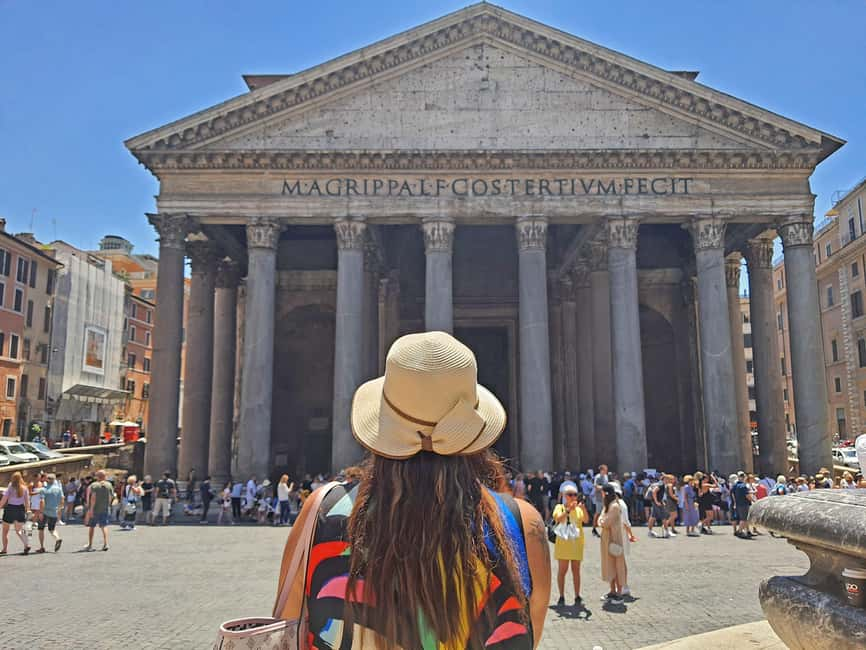
The Pantheon provides the tour’s strongest lesson in architecture and Roman history. Here, the activities focus on the building’s design and past, helping children connect what they see with the clues they are solving.
The Pantheon is a particularly good place for this approach because its appearance raises natural questions. Why is the building shaped as it is? How does its huge interior space work? What makes its design so unusual? The treasure hunt uses questions and activities to guide attention toward those architectural features.
The supplied information does not say that an interior admission ticket is included, so you should not assume that the experience includes a full indoor visit. The confirmed plan is a stop at the Pantheon with activities about its architecture and history. If entering the building is important to you, check the details at booking.
That distinction is worth noting because the $105 price includes the guide and the treasure hunt, not a listed package of admissions or meals. You are paying for a hosted activity that links the landmarks through a game. The value is strongest when you want guidance, structure, and entertainment rather than only access to a monument.
How the quizzes and prizes shape the mood
The clues are the engine of the experience. You will answer riddles, test your knowledge, and work toward a prize. That gives the group a clear goal during the walk and keeps the adults involved alongside the children.
The prizes may sound like a small detail, but they can change the mood. One participant described them as adding an extra layer of excitement, while another noted that a team could have a good time even without winning. That is the right way to view the competition: the prize adds flavor, but the sightseeing and shared effort are the real payoff.
Guide Marco has received especially warm attention for his role. He has been described as an excellent guide who made the clues, quizzes, and Roman facts enjoyable. One group even expressed interest in taking part in another hunt in a different part of the city. You should remember that guide assignments can depend on the day, but Marco is a name connected with this experience.
The format also lets adults step back from being the only organizers. Instead of constantly explaining Rome to your children or deciding where to go next, you can take part in the same challenge. That can make a busy sightseeing day feel lighter.
Is $105 per person a fair price?
At $105 per person, this is not a budget way to see Rome. A family of four would pay $420 before any other costs, so you should compare it with what you want from your sightseeing time.
The price includes a top-rated local guide and the treasure hunt. You are also paying for preparation, a planned route, live explanations, and a set of activities that can keep a mixed-age group involved. For a family that would otherwise struggle to keep children interested in Rome’s major sights, that structure may be worth the premium.
The price is harder to justify if you mainly want landmark explanations or a quick orientation walk. The route is only 2.5 hours, and the focus is on play, riddles, and team interaction. You might find a standard group walking tour cheaper, especially if the adults in your party already know the city and your children are happy to sightsee without extra activities.
I would judge the cost by the number of people who will truly participate. If only one child enjoys games while everyone else prefers a conventional tour, the value drops. If your whole group likes competition and the adults want an easy way to introduce Rome, the activity offers more than a basic walk.
Who will enjoy this Rome activity most?
This hunt is best for families with children aged five and above who enjoy puzzles, trivia, and prizes. It also suits adults who want to learn about Rome without sitting through a long lecture. The activities are designed for children and adults together, so you do not need to split up your group.
It can also work for friends or company groups looking for a shared team-building activity. The competitive element gives everyone a role, and the central landmarks provide a strong setting without requiring special equipment.
The activity may not suit visitors seeking a calm, private stroll. The route moves through popular central sites, and the game format asks you to pay attention, answer questions, and stay involved. People over 95 and children under five are specifically excluded, and younger children may find the walking and concentration tiring even when they meet the minimum age.
You should also be comfortable with English. The live guide and activities are offered in English only. Strong language skills are useful because the clues and trivia are central to the experience.
Practical details that affect your day
The tour lasts 2.5 hours. That is long enough to visit the three main areas and keep the hunt moving, but short enough to fit into a busy Rome itinerary. You could place it on a morning or afternoon when you want a defined activity rather than an open-ended walk.
Wear comfortable shoes. The activity takes place outdoors and includes walking through central Rome. Bring your usual sightseeing essentials, but the one item specifically requested is suitable footwear.
The meeting point is by the Column of the Immaculate Conception in Piazza Mignanelli. Your guide will hold a sign with your name, which should make the group easier to locate. Starting times vary, so check availability for the date you want.
You can cancel up to 24 hours before the activity for a full refund. You can also reserve now and pay later, which is useful if your Rome schedule is still changing. Those terms reduce the risk of booking an activity before your plans are fully fixed.
Should you book the Spanish Steps, Trevi, and Pantheon hunt?
Book it if you want Rome sightseeing to feel like a shared game. The strongest reasons are the well-known landmarks, the guide-led clues, the family-friendly structure, and the chance to learn through quizzes rather than a long spoken presentation.
I would especially choose it for a family with school-age children, a group of friends, or a team looking for an organized activity in central Rome. Guide Marco’s strong reputation for making the hunt entertaining is another encouraging detail, though you should confirm who will lead your date.
Think twice if $105 per person feels high for a short walking activity, or if you want guaranteed indoor access to the Pantheon. The listed experience centers on an outdoor treasure hunt, and admission is not stated as included. For the right group, though, the game can turn three familiar Roman sights into a memorable shared challenge.
FAQ
How long does the Rome treasure hunt last?
The activity lasts 2.5 hours.
What landmarks are included?
The treasure hunt includes the Spanish Steps area, the Trevi Fountain, and the Pantheon.
Where does the activity meet?
Meet your guide by the Column of the Immaculate Conception in Piazza Mignanelli.
How will I recognize the guide?
Your guide will be holding a sign with your name.
What language is the tour offered in?
The live tour guide and activities are offered in English.
Is the experience suitable for children?
It is designed for families and is suitable for children aged five and older. Children under five are not permitted.
What should I wear or bring?
You should bring comfortable shoes because the activity takes place outdoors and involves walking.
Can I cancel or pay later?
You can cancel up to 24 hours in advance for a full refund. You can also reserve your place and pay later.
Just added around Rome
- Villa Borghese escape game★ 3.0 · 3 reviews
- Vatican Treasure Hunt with Guided Tour for Families with Kids★ 5.0 · 2 reviews
- Trevi Pantheon and Spanish Steps Treasure Hunt for Kids & Families in Rome★ 5.0 · 2 reviews
- Rome: Hidden Treasures of Trastevere Self-Guided Puzzle Quest★ 4.0 · 5 reviews
- Rome Treasure Hunt With Leonardo da Vinci★ 4.0 · 3 reviews
- Treasure hunt in Rome, Ghetto and Trastevere★ 5.0 · 8 reviews
- Rome Scavenger Hunt and Highlights Self-Guided Tour★ 5.0 · 2 reviews
- Treasures of Rome Scavenger Hunt for Friends Team Building & Company Incentive★ 4.5 · 2 reviews
Treasure Hunts, compared.


St. Augustine: Treasure Hunt Cruise with Onboard Show
Read our review →

Fun, Flexible Treasure Hunt Around Manchester with Cryptic Clues & Hidden Gems
Read our review →
Fun, Flexible Treasure Hunt Around York with Cryptic Clues & Hidden Gems
Read our review →
Fun, Flexible Treasure Hunt Around Bath with Cryptic Clues & Hidden Gems
Read our review →York Treasure Hunt Adventure: The Mystery of The Gunpowder Snitch
Read our review →Browse the lists this tour appears in