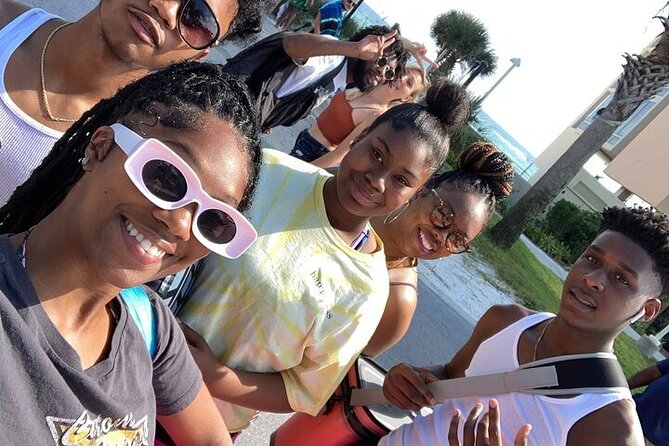
Reviewed · FORT MYERS
Sanibel Island Shuffle Scavenger Hunt
Sanibel Island Shuffle turns a sightseeing outing into a timed game. You begin at Over Easy Cafe, receive digital missions from a remote host, then walk or drive between checkpoints such as the Sanibel Causeway and Sanibel Island Lighthouse while solving clues and completing oddball challenges. It is less a guided tour than a self-led island puzzle with a live person at the other end of your phone.
I like the freedom to set your own pace, and I like that the game can pull you toward places you might otherwise pass without noticing. The family-friendly, dog-friendly format is another plus, especially for groups that want more than a standard photo stop. The main concern is technical reliability: the experience depends on clear phone instructions, current clues, and timely replies from the remote host.
Key points at a glance
- Start at Over Easy Cafe: Meet at The Village Shops, 2340 Periwinkle Way, Unit B, on Periwinkle Way.
- Visit two notable Sanibel stops: The route includes the Sanibel Causeway and Sanibel Island Lighthouse.
- Use your own phone: Each team needs at least one charged smartphone with GPS, data, photo, video, and text ability.
- Play for points: Your team can compete for a place on an international leaderboard.
- Expect a flexible format: You may walk or drive between missions, with indoor and outdoor challenges.
- Allow extra attention for updates: The game is remotely hosted, so instructions and communication matter as much as your sightseeing skills.
A Sanibel sightseeing game with a phone in your hand
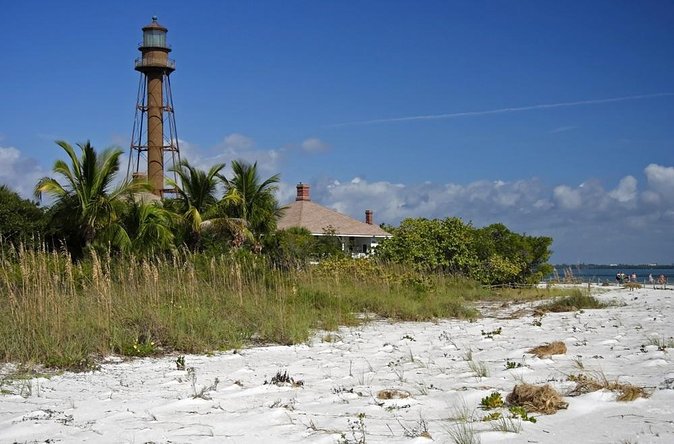
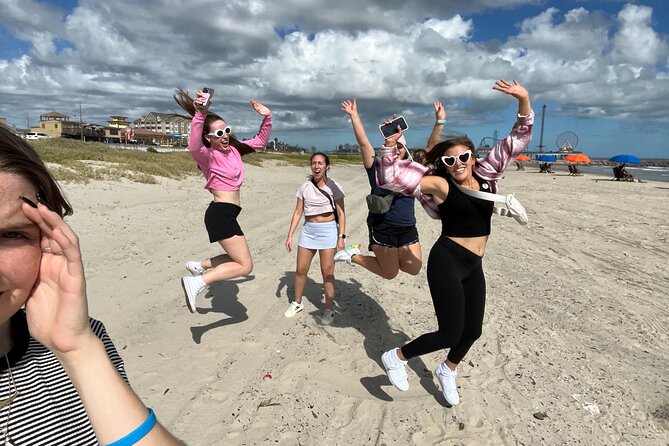
The Sanibel Island Shuffle is built for people who enjoy a little structure, but not a traditional tour group. There is no guide walking beside you and no fixed line of stops explained in person. Instead, a remote host sends your team its quest, follows your progress through text messages and photos, and helps you keep moving.
That setup gives you room to explore on your own. You can work as a family, a group of friends, a couple, or an independent team. The challenges may ask you to spot something, solve a clue, take a photo, interact with a local person, or complete a playful task outside your comfort zone. The point is not simply to reach the lighthouse. It is to do something with the place once you arrive.
The activity lasts about two hours. That is enough time for a compact outing, but it is not an all-day tour of Sanibel Island. You should treat it as a game with sightseeing built in, rather than a detailed introduction to every part of the island.
More Scavenger Hunts in the USA
- An Epic Scavenger Hunt: New York City Central Park Adventure
★ 4.5 · 244 reviews - Creative Soul Scavenger Hunt of Santa Fe
★ 5.0 · 62 reviews - Keep Austin Weird Scavenger Hunt
★ 4.0 · 51 reviews
Starting at Over Easy Cafe on Periwinkle Way
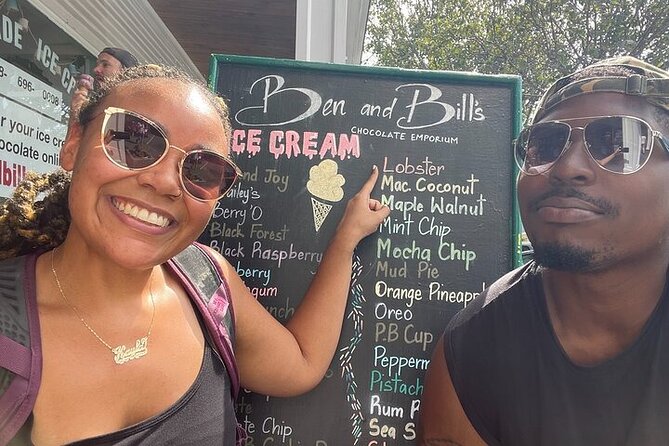
Your stated meeting point is Over Easy Cafe at The Village Shops, 2340 Periwinkle Way, Unit B, Sanibel, Florida 33957. This is where the activity both begins and ends.
The start is important because the hunt does not simply hand you a paper map and send you off. Your digital quest comes from the remote host, and your team needs to understand the first task before the clock starts to matter. Have your phone ready before you arrive. Check that it is charged, that GPS is working, and that you can send photos, videos, and text messages.
The provider requires a correct, working domestic phone number in the reservation. If you use an international number, you need to arrange WhatsApp or email contact in advance through a message to the provider. This is not a minor detail. The host is part of the activity, so a contact problem can leave you without clues, scoring, or help.
One practical warning comes from the way the start has been handled for some teams. The meeting information was confusing in at least one case, with a reference to a post office box causing a delay. Use the exact Over Easy Cafe address above, and confirm the contact method before the day of the hunt. A few minutes spent sorting out the start can make a big difference during a two-hour game.
The Sanibel Causeway checkpoint
The Sanibel Causeway is one of the two named stops. It gives the hunt an immediate sense of place, since the causeway connects the mainland area around Fort Myers with Sanibel Island and offers a clear coastal setting for photos and observation.
Here, you can expect a mission rather than a formal talk about the causeway. The challenge may ask you to identify something, frame a picture, solve a clue, or complete a task for points. The value comes from looking closely and working together. A familiar crossing becomes part of the game instead of just a route to the next stop.
The causeway also shows why you should be ready to drive. The activity information says teams may walk or drive between checkpoints, but the distance and setting do not make every section equally suited to walking. One team found that walking between locations was not practical. If you are bringing young children, an older family member, or a dog, plan around the car rather than assuming this is a continuous walking tour.
The route may also be affected by changes to the island. Storms and hurricanes can alter signs, buildings, access points, and public features. A clue that depends on something physical being in a certain spot needs to be current. If you cannot find an item, send a clear message to the host quickly rather than spending half the game searching in circles.
Sanibel Island Lighthouse and the final push
The Sanibel Island Lighthouse is the other named stop. It is a natural target for a photo-based challenge because it gives the team a clear landmark and a strong sense of arrival.
Do not expect a full lighthouse lecture from a local guide. The host is remote, and your task is to solve missions at or around the checkpoint. You may need to match a clue to what you see, take a team image, or complete a silly challenge that turns the stop into a shared memory.
This part works best if your group enjoys making its own fun. The lighthouse is not only a place to check off. It becomes a stage for the game, and the scoring system gives everyone a reason to participate. Children can search, adults can interpret clues, and the whole group can decide how far to go with the stranger challenges.
You should also leave enough time to complete the final messages and return to the meeting point. The activity ends back where it began. Since the host uses your photos and texts to document progress, do not assume that reaching the last checkpoint means the game is finished.
Same streets, a different set of clues:
- Branson Murder Mystery- Branson’s Original #1 Murder Mystery
★ 5.0 · 1,513 reviews - The Escape Game Orlando: Epic 60-Minute Adventures on I-Drive
★ 5.0 · 730 reviews - The Escape Game Pigeon Forge: 60-Minute Adventures on The Island
★ 5.0 · 646 reviews - The Escape Game Nashville Berry Hill
★ 5.0 · 546 reviews
How the remote host changes the experience
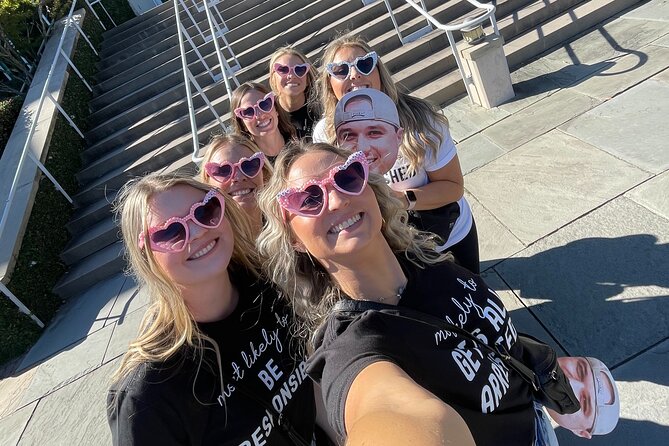
The remote host is the unusual part of this activity. You are not following a guide who can point out a missed sign or explain a clue face to face. Your host sends instructions, watches your progress through messages, cheers you on, and offers assistance as you play.
That can be a lot of fun when the communication works. A quick reply can give your group momentum, and sending photos makes the host feel involved even though you are out on the island. The host can also help turn a simple walk into a score-based contest, with points and a place on an international leaderboard.
The weak point is obvious: the game relies on the host responding at the right time. One team reported going about 45 minutes without feedback, despite sending in material. That is a long silence during a two-hour activity. The same account described slides that did not match the location, which sent the team looking in the wrong place.
You can reduce the risk by testing your phone before starting and keeping your messages clear. If a clue seems impossible, send a photo of where you are and ask for confirmation. Do not quietly assume that you misunderstood everything. The host needs a chance to correct a misplaced instruction or explain an unusual challenge.
Indoor and outdoor tasks, with room for silly moments
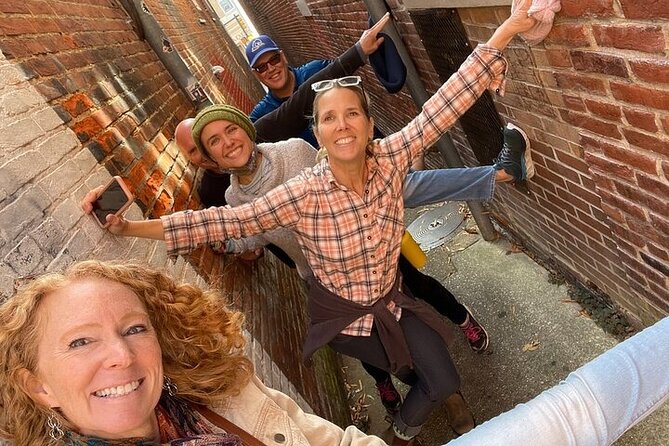
The hunt alternates between indoor and outdoor activities and includes bonus challenges. That mix helps break up the outing. You are not asked to stare at a screen for two straight hours, but you do need the phone to receive the next task and send proof of what you have done.
Some challenges are meant to push you beyond your normal sightseeing habits. You might need to interact with local people to solve a clue or perform a wacky task for points. The exact missions are not supplied ahead of time, so you should be comfortable with a little public silliness. This is a poor match for a group that wants quiet observation and no surprises.
The local interaction element needs a sensible approach. Be polite, keep the request brief, and accept a no without pressure. The game should add contact with the community, not turn local people into unwilling performers.
Because the activity is family-friendly and dog-friendly, it can work well for a mixed group. Still, family-friendly does not mean every clue will suit every age or attention span. Adults should be ready to manage the phone, read instructions aloud, and keep younger children involved when a task becomes more about messaging than exploring.
What the leaderboard adds to the value
The international leaderboard gives the hunt a competitive edge. Points create a reason to complete bonus tasks instead of stopping after the main landmarks. A group celebrating a birthday, planning a bachelor or bachelorette outing, or organizing a company activity may appreciate that extra push.
For a casual family, the leaderboard can be optional. You can treat the score as a light game and focus on the photos and shared jokes. That flexibility is useful because not everyone wants a serious contest during a Florida island outing.
The activity also offers an option to extend the scavenger hunt for free. The exact length and format of that extension are not stated, so ask the host how it works before relying on it. If your team finishes early or wants more challenges, the option may improve the value. If you have a tight schedule, do not assume an extension will fit neatly into your day.
Is two hours enough for the price?
A price is not provided here, so I cannot judge the exact dollar value. I can judge what you are paying for: a remote host, digital missions, scoring, photo and text interaction, and a planned game linking Sanibel locations.
The value is strongest when you have a group. One booking can give several people a shared activity, and the cost may feel reasonable if everyone joins the game. It is less compelling if you want a traditional explanation of Sanibel, a carefully narrated route, or a guide with you in person.
The two-hour limit also shapes the value. You are paying for a compact challenge, not a full island tour. If your group likes puzzles, photos, and friendly competition, the time can pass quickly. If you spend too long decoding unclear instructions, the short schedule becomes frustrating.
The free extension may help, but it should be treated as a bonus rather than a guarantee of extra sightseeing. Ask about it if you want more content.
The phone and planning checklist
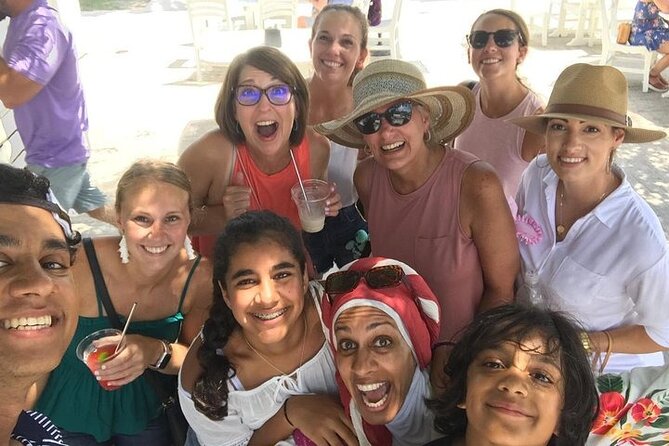
Bring one fully charged smartphone for each team. It must have GPS and be able to send and receive data, photos, videos, and text messages.
Before you start, I would check these points:
- The phone has enough battery for two hours of messages, photos, GPS, and possibly video.
- Your reservation includes a correct domestic phone number.
- International numbers have a confirmed WhatsApp or email plan.
- Your group knows whether it will walk, drive, or use both.
- Everyone understands that the remote host, not an in-person guide, runs the game.
- You have the exact Over Easy Cafe meeting address.
The activity is offered in English. Service animals are allowed, and the experience is near public transportation. Most people can participate, but the provider does not promise that every section will suit every mobility level. Since walking between locations may not be practical, ask questions in advance if mobility is a concern.
The maximum group size is 30 people. That is large enough for a company outing or extended family event, though a group that size will likely work best when divided into smaller teams. The supplied information does not state how teams are organized, so ask the provider before booking a large gathering.
Who should book the Sanibel Island Shuffle?
I would choose this for a family that wants a reason to explore, a group of friends that enjoys taking pictures, or a company looking for a light team activity. It also suits birthdays, bachelor and bachelorette groups, curious local residents, and independent visitors who prefer a game to a standard guided walk.
I would hesitate if you need dependable in-person direction, a detailed history of the island, or a route that never changes. The reported problems with delayed replies, mismatched slides, and outdated physical clues are serious for an activity built around instructions.
The best approach is to arrive prepared and stay flexible. If a mission seems wrong, contact the host at once. If the host is responsive, the unusual format can produce laughs and memories that a simple sightseeing drive may not.
Should you book it?
Book the Sanibel Island Shuffle if your group values play, teamwork, photo challenges, and freedom to move at its own pace. The causeway and lighthouse give the game two clear Sanibel anchors, while the bonus tasks and leaderboard add energy.
Skip it if you want a polished, fully guided tour or if poor phone communication would spoil your day. The activity has real promise, but its success depends on accurate digital instructions and an active remote host. Confirm the meeting details, contact method, and current route before you pay. Cancellation is allowed up to 24 hours before the experience for a full refund, which gives you some protection if your plans change.
FAQ
Where does the Sanibel Island Shuffle begin?
It begins at Over Easy Cafe in The Village Shops, 2340 Periwinkle Way, Unit B, Sanibel, Florida 33957.
Where does the activity end?
The activity ends back at the meeting point at Over Easy Cafe.
How long does the scavenger hunt last?
The experience lasts approximately two hours.
Which Sanibel locations are included?
The named stops are the Sanibel Causeway and Sanibel Island Lighthouse.
Is the activity guided in person?
No. A live remote host sends your digital quest, follows your progress through messages and photos, and provides assistance during the game.
What kind of phone do I need?
Each team must bring at least one fully charged smartphone with GPS and the ability to send and receive data, photos, videos, and text messages.
Can I participate with an international phone number?
Yes, but you must complete the game through WhatsApp or email if you have an international number or other phone issues. Provide that contact information through a message before the hunt.
Are dogs and service animals allowed?
The activity is family-friendly and dog-friendly, and service animals are allowed.
Just added around the USA
- Vail Venture Scavenger Hunt★ 3.5 · 8 reviews
- Save the Mountain Escape Room Adventure★ 5.0 · 4 reviews
- Tybee Island, Georgia Scavenger Hunt★ 4.0 · 7 reviews
- Tucson Scavenger Hunt by Wacky Walks★ 4.5 · 2 reviews
- A Spectacular Scavenger Hunt: Center of the Universe★ 4.0 · 4 reviews
- Amazing Scavenger Hunt: Desert Oasis★ 3.5 · 3 reviews
- Thrilling Traverse City Scavenger Hunt★ 4.0 · 7 reviews
- Murder Mystery Detective Experience in Sierra Vista AZ★ 4.5 · 4 reviews
Scavenger Hunts, compared.
Amazing Cozumel Race: Small-Group Tour and Scavenger Hunt
Read our review →
An Epic Scavenger Hunt: New York City Central Park Adventure
Read our review →

Escaping and spying on the Berlin Wall Scavenger hunt
Read our review →