
Reviewed · BRUSSELS
Leuven AI Resistance Self-Guided Puzzle Quest Adventure
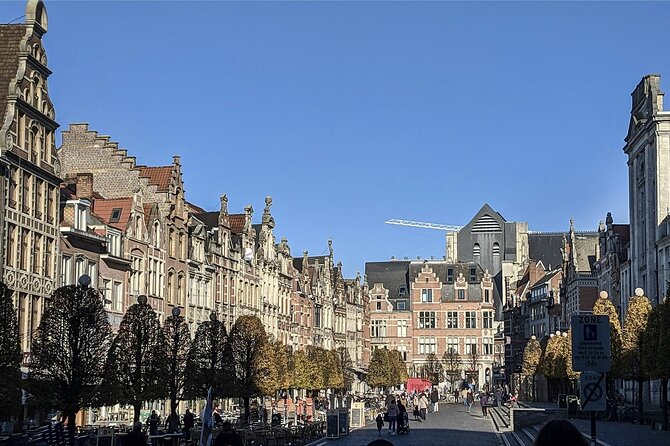
Leuven’s best sights are stitched together here by puzzles rather than a guide’s speech. You begin at Dorre the Baker and work through old streets, student squares, sculptures, fountains, and university landmarks before finishing at Ladeuzeplein. The stories touch on medieval hardship, Belgian science, wartime damage, and recovery.
I like the freedom to start anytime between 8:00 AM and 9:00 PM and pause when a café or photo stop catches your eye. I also like the mix of well-known places, such as Oude Markt, with smaller details such as the cat-spouted Kattenpomp and the tale of Dorre feeding people in hard times.
The catch is simple: you are on your own. There is no live guide to answer questions or rescue you from a stubborn puzzle, and the app-based format may feel less social than a walking tour. At about $10.88 per person, though, it offers a low-cost way to see central Leuven at your own pace.
Key points at a glance
- Ten puzzles guide you through central Leuven, combining navigation, local stories, and problem-solving.
- Dorre the Baker begins the route, introducing a local tale of food, hardship, and resilience.
- Oude Markt brings the student energy, with its famous concentration of cafés and centuries-old marketplace roots.
- Kattenpomp adds a quirky local detail, centered on an 18th-century water pump with a cat-shaped spout.
- Herbert Hooverplein and Ladeuzeplein connect Leuven’s past to recovery, education, and public memory.
- The self-guided format works well for private groups, with English content, GPS mapping, and the option to pause and resume.
A puzzle walk through Leuven, not a standard city tour
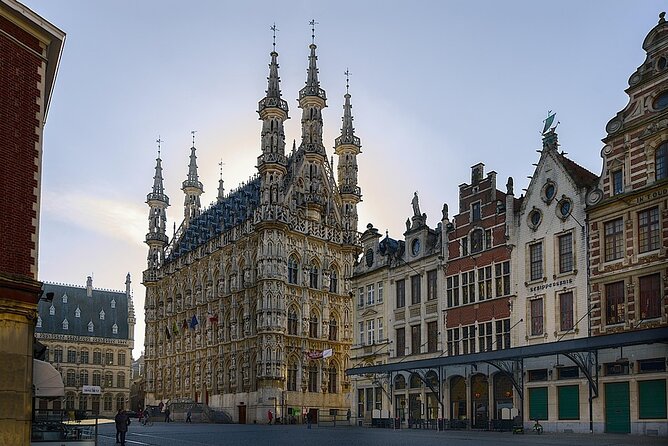
This experience uses a phone app to turn Leuven into a game board. You receive a mobile access code, follow a built-in GPS map, and complete 10 puzzle-based challenges as you move between locations.
I see this as a middle ground between sightseeing and a walking tour. You get more structure than simply wandering with a guidebook, but far more freedom than you would have with a fixed group. The route gives you a reason to look closely at plaques, sculptures, street corners, and old buildings instead of merely passing them.
The experience is offered in English and lasts about 90 minutes. That timing is approximate, since puzzle difficulty, walking pace, and pauses can change the length. You can stop and resume, which is useful if you want to sit for coffee on Oude Markt or spend extra time near the university buildings.
Because the activity is private, only your own group takes part. That is a good fit for couples, families, or friends who prefer not to keep pace with strangers. It also means the atmosphere depends on your group. If you enjoy solving clues aloud, the format can be playful. If your companions dislike phone games, the route may feel like work.
More Self-Guided Games in Belgium
- Brussels Highlights Self guided scavenger hunt and Walking Tour
★ 4.0 · 14 reviews - Brussels Old Town & Beer Secrets: Self-Guided Puzzle Walk
★ 4.5 · 11 reviews - Brussels Scavenger Hunt and Highlights Self Guided Audio Tour
★ 5.0 · 4 reviews
Starting with Dorre the Baker on Diestsestraat
The quest begins at Dorre the Baker, at Diestsestraat 20. This opening stop uses a local figure to introduce Leuven’s medieval past. Dorre is remembered for feeding people during desperate times, so the first riddle is tied to food, need, and resilience.
That is a smart way to begin. Instead of opening with a grand monument, the route starts with a human story. You are asked to connect a place with a local legend, then use the answer to reach the next stop.
Plan around 10 minutes here. The stop is free, as are the other listed sights, so your payment covers the app-based activity rather than admission to attractions. That keeps the price easy to understand: you are paying for the route design, clues, navigation, and content.
The starting point is near public transportation, and the activity is designed for most participants. Service animals are allowed. The supplied information does not give a specific meeting time, so you choose your start within the operating hours.
Oude Markt and Leuven’s café-filled center
The route then takes you to Oude Markt, often called the longest bar in the world. The nickname refers to the square’s long run of cafés, which gives the place a very different feel from a quiet medieval market.
The puzzle here connects present-day student life with the square’s earlier role as a marketplace. That contrast is useful. Leuven is home to a major university, and Oude Markt makes the city’s youthful side hard to miss. At the same time, the cobblestones and surrounding façades point back to older chapters.
I would treat this as one of the best places to pause. The quest does not require you to rush from clue to clue, and the flexibility to stop is one of its strongest features. You can solve the challenge, look around, and decide if you want a drink before continuing.
The drawback is that a lively square can make close concentration harder. If your group wants a quiet setting for a puzzle, you may need to step aside from the busiest café areas. The route does not promise a private solving space, so expect to work in the public square.
Pieter De Somer and Leuven’s academic story
Next, the trail points toward the sculpture of Pieter De Somer on Charles Deberiotstraat. De Somer was KU Leuven’s first modern rector and helped shape the university’s future.
The artwork is an abstract piece made from layered metal. That gives the puzzle a different character from the earlier folklore stop. Here, you are asked to read a visual object and connect it with a figure linked to science and education.
I like this change of subject. A good city quest should not treat every stop as another old building. This one brings in Leuven’s modern academic identity and asks you to think about how a university develops over time.
The sculpture may appeal most to visitors who enjoy public art and university history. If you prefer clear architectural landmarks, an abstract metal work may take more effort to interpret. The app’s clue and puzzle are meant to guide you, but you still need to pay attention to the artwork itself.
This stop also helps explain why Leuven feels more than a preserved old town. Its identity comes from the meeting of medieval streets, student life, research, and public institutions.
More Puzzle Walks and Quests in Brussels:
- Fun, Flexible Treasure Hunt Around Manchester with Cryptic Clues & Hidden Gems
★ 5.0 · 253 reviews - Fun, Flexible Treasure Hunt Around York with Cryptic Clues & Hidden Gems
★ 5.0 · 248 reviews - Fun, Flexible Treasure Hunt Around Bath with Cryptic Clues & Hidden Gems
★ 5.0 · 208 reviews - Fun, Flexible Treasure Hunt Around Oxford with Cryptic Clues & Hidden Gems
★ 5.0 · 202 reviews
The cat-shaped Kattenpomp
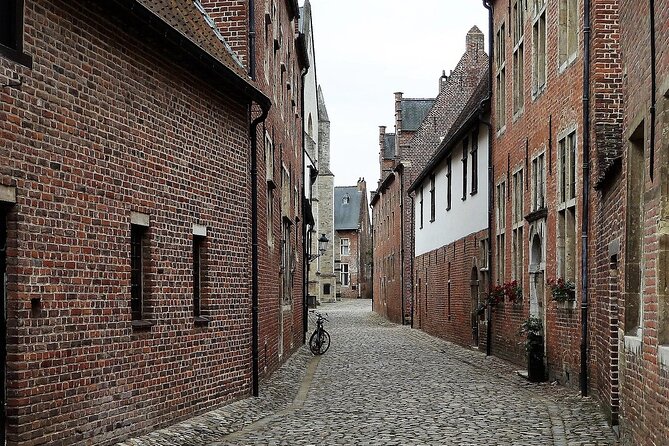
The Kattenpomp offers one of the route’s most unusual stops. It is an 18th-century water pump with a cat-shaped spout, once part of ordinary neighborhood life when public water sources mattered.
The challenge is tied to an old rhyme carved into the stone. That detail gives the stop a personal, local feel. You are not simply looking at a fountain and moving on. You are being asked to notice a small object and use its wording as part of the puzzle.
This is exactly the sort of stop that can disappear during a standard city walk. Major squares tend to draw attention, while a quirky pump can be missed. The quest gives you a reason to seek it out and consider why it was made.
I would keep expectations realistic. The Kattenpomp is a small feature, not a major attraction with indoor displays or a long visit. Its value lies in the story and the act of finding it. If you enjoy minor details and local oddities, it may be one of your favorite moments. If you want grand sights at every stop, it may feel slight.
Herbert Hooverplein and the memory of recovery
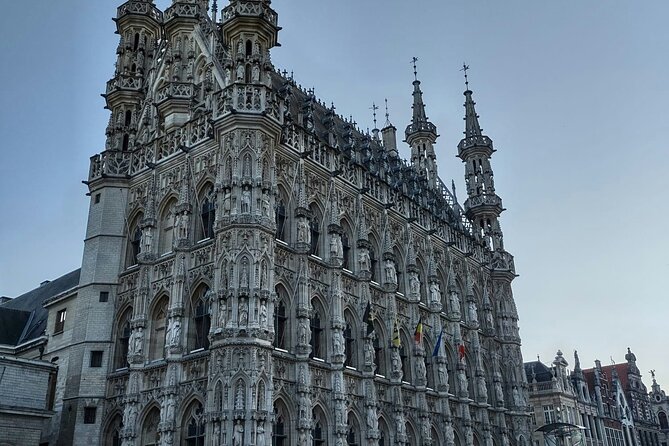
Herbert Hooverplein shifts the tone again. The square is named for Herbert Hoover, who helped Leuven recover after World War I. Today, the area includes fountains, cafés, and the University Library.
The puzzle here focuses on aid, hope, and revival. That gives the square a layer that is easy to miss if you only see it as an open public space. The route asks you to connect the name, the wartime past, and the city’s rebuilding.
I find this kind of context valuable because Leuven’s story is not only medieval. War damaged important parts of the city, and recovery shaped what you see today. The square links international help with Leuven’s ongoing academic life.
You should also expect a change in scale. After the smaller story of Dorre or the Kattenpomp, Herbert Hooverplein feels more public and symbolic. It works well as a puzzle stop because the surrounding space gives you room to orient yourself, though the open setting may also have distractions from cafés and passing pedestrians.
Ladeuzeplein and the final challenge
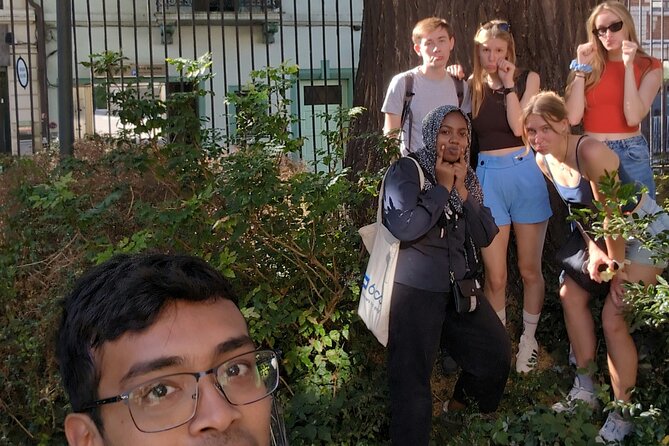
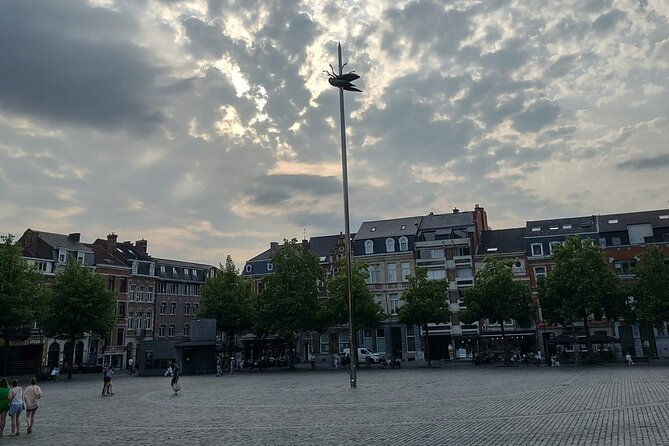
The route ends at Monseigneur Ladeuzeplein, Leuven’s largest and most recognizable square. The University Library anchors the scene, while the Totem sculpture, topped by a large beetle, supplies an unusual focal point.
The final puzzle draws together the square’s wartime destruction, rebuilding, education, and curious monuments. It is a fitting place to finish because it brings several themes together: loss, learning, public memory, and Leuven’s ability to rebuild.
The endpoint is not the same as the start, so you finish in a different part of central Leuven. That is useful if you want to continue sightseeing from there. The supplied information does not include a return transfer, so plan to make your own way onward after completing the last challenge.
Ladeuzeplein is also a good place to stop and take stock of the route. You have moved from a baker’s local legend to a university square with a much wider public story. The experience does not require you to enter the library or pay for an attraction, so the finale remains part of an outdoor city walk.
How the app changes the pace
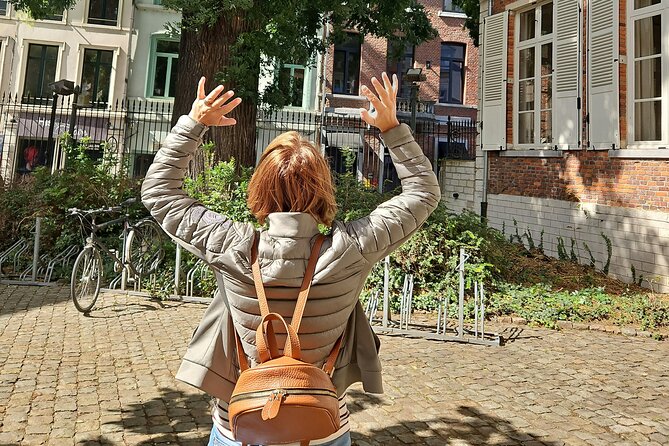
The main tool is your mobile phone. The access code opens the quest, and the GPS map helps you move between locations. Audio and text content provide the background, while the 10 puzzles give you tasks to complete.
I like having both audio and text available. You can read quietly, listen as a group, or use whichever format suits your surroundings. The app also gives you a clear next step, which can be helpful in an unfamiliar city.
Still, this is not a substitute for a person. A guide can adjust a story, answer a question, or point out something not included in the official route. Here, the app gives you its prepared material, and your group handles the rest.
The puzzle difficulty is mixed. The supplied description promises challenges at different levels, and the route is intended to include both easier and harder moments. That variety should work well for a group with different abilities, though it can also mean one person solves most clues while others watch.
Bring a charged phone and make sure you are comfortable using mobile content. The activity depends on the app, GPS navigation, and your ability to read or listen while walking. No in-person guide is included.
What you get for about $10.88
At approximately $10.88 per person, this is inexpensive compared with a conventional private walking tour. You are not paying admission fees, transport costs, or a guide’s hourly rate. The cost covers access to the digital quest, map, story content, and puzzles.
The value depends on what you want from Leuven. If you want a polished explanation from a local guide, this may feel limited. If you want a structured route that helps you find lesser-known details while keeping your group independent, the price is attractive.
Group discounts may improve the value for larger parties. Since the activity is private, splitting the cost among your own group can also make the experience feel more personal than a standard public tour.
The route appears best for a short introduction to central Leuven rather than a full city study. You will see several meaningful places and get selected stories, but you should not expect every major sight or a long historical lecture.
Practical details before you book
You can participate any day from 8:00 AM to 9:00 PM during the stated operating period, which runs from April 8, 2025, through July 2, 2027. You choose the time that works for you, subject to those hours.
The activity is offered in English. Confirmation is provided at booking, and the mobile access code is used for entry to the quest. The route is near public transportation, service animals are allowed, and most people can participate.
Free cancellation is available if you cancel at least 24 hours before the scheduled start time. A cancellation within 24 hours is not refundable, and changes inside that window are not accepted. The cut-off follows Leuven local time.
I would choose a daylight start if you want to make the most of the public art, fountains, plaques, and building details. The official hours extend into the evening, but the information does not promise special nighttime lighting or a different route experience.
Who should choose this Leuven quest?
I would recommend it to couples, families with older children, friends, and independent visitors who like solving problems together. It is especially useful if you have about an hour and a half and want a route with more purpose than a casual walk.
It also suits repeat visitors who have already seen Leuven’s main squares. The Kattenpomp and Dorre the Baker give you reasons to look beyond the most famous university views.
I would be more cautious if you dislike phone-based activities, need a guide to explain historical details, or want a relaxed walk with no tasks. The puzzle format is the point, so it will not suit someone who wants to simply follow a storyteller.
Should you book the Leuven AI Resistance quest?
Book it if you want a low-cost, flexible way to connect Leuven’s medieval tales, university identity, public art, and wartime recovery. The strongest parts are the range of stops, the freedom to pause, and the chance to notice details that a fast city walk could skip.
Skip it if you want a live guide, extensive historical detail, or a tour with no screen time. For everyone else, the $10.88 price makes this a sensible add-on to a Leuven visit, especially for a private group that enjoys a challenge and does not mind finding its own way.
FAQ
Where does the quest start?
It starts at Dorre the Baker, Diestsestraat 20, 3000 Leuven, Belgium.
Where does the quest finish?
It ends at Monseigneur Ladeuzeplein, 3000 Leuven, Belgium.
How long does the experience take?
The estimated duration is about 1 hour and 30 minutes.
How many puzzles are included?
The experience includes 10 puzzle-based challenges.
Is a live guide included?
No. This is a self-guided activity using a mobile app, GPS navigation, and audio or text content.
What language is available?
The quest is offered in English.
Can I cancel for a refund?
Yes. You can receive a full refund by cancelling at least 24 hours before the scheduled start time. Cancellations within 24 hours are not refundable.
More Self-Guided Games in Brussels
- Hamburg: Scavenger Hunt Self-Guided Tour for Children
★ 4.5 · 319 reviews - Dresden: Old Town Self-Guided Scavenger Hunt Tour
★ 4.5 · 151 reviews - Berlin: Self-Guided Family and School Class Scavenger Hunt
★ 4.6 · 128 reviews - Düsseldorf: Scavenger Hunt Self-Guided Tour
★ 4.6 · 127 reviews
Just added around Brussels
- Discover Brussels while escaping the zombies! Escape game★ 5.0 · 4 reviews
- Brussels Origins of the City: Exploration Game and Tour★ 5.0 · 2 reviews
- Brussels Scavenger Hunt and Highlights Self Guided Audio Tour★ 5.0 · 4 reviews
- Brussels Highlights Self guided scavenger hunt and Walking Tour★ 4.0 · 14 reviews
- Outdoor Escape Game with drinks in Brussels★ 4.5 · 8 reviews
- Brussels Old Town & Beer Secrets: Self-Guided Puzzle Walk★ 4.5 · 11 reviews
- Brussels: Outdoor City Escape Game With Drinks★ 3.6 · 11 reviews
- Brussels: Virtual Reality gaming, experiences & escape games★ 4.8 · 10 reviews
Self-Guided Games, compared.



Browse the lists this tour appears in