
Reviewed · SAN FRANCISCO
San Francisco: “Escape the Rock” Escape Room Ticket
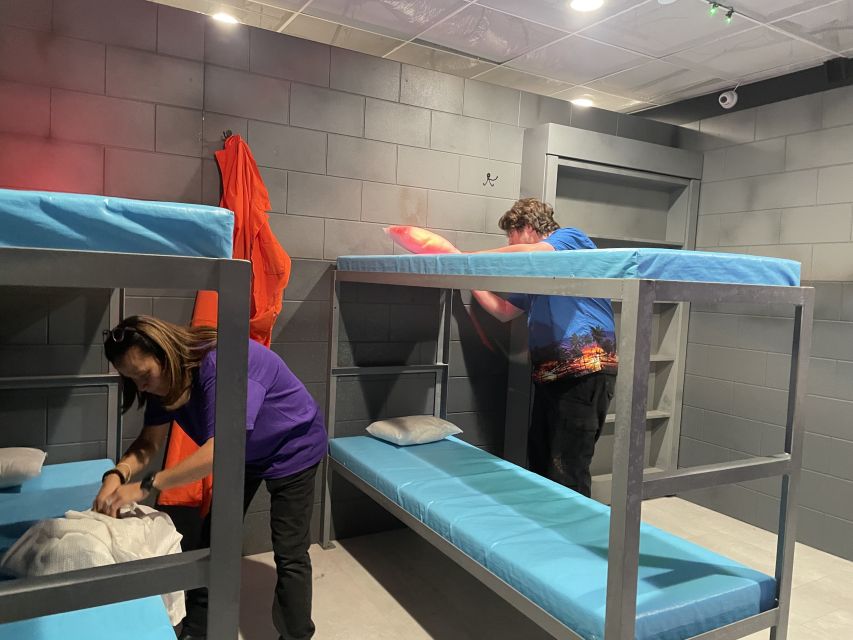
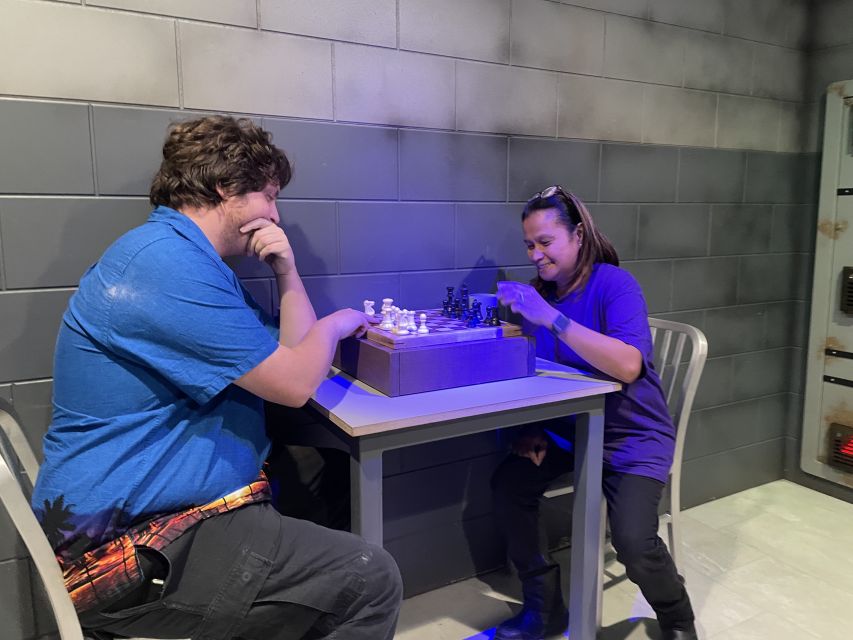
A prison break makes a fine excuse to put your phone away and see how well your group communicates. At Escape the Rock, you play a falsely accused prisoner with 30 minutes to find clues, crack codes, and get free from a carefully dressed jail setting.
I like the hands-on props and the fact that a game guide can offer help when your group stalls. I also like the private format: with no strangers added to your team, the room works well for friends or family. The main drawback is the short clock. Thirty minutes can feel brisk, especially if younger players or first-time escape-room players are in your group.
Key points to know
- A 30-minute prison break: You have one half-hour to complete the mission, so quick communication matters.
- Private groups of up to six: Your party gets the room to itself, which makes teamwork easier and the mood more relaxed.
- Detailed, tactile challenges: Expect physical props, clues, tasks, and codes rather than a simple quiz.
- A game guide is included: An English-speaking guide can help your team when it loses direction.
- Easy meeting point: Find the Flyer Thrill Zone on the second floor above the Hard Rock Café.
- Clear age and safety rules: The game is aimed at ages 13 and up, with an exit button available at all times.
Entering the Prison: What the 30-Minute Mission Is About
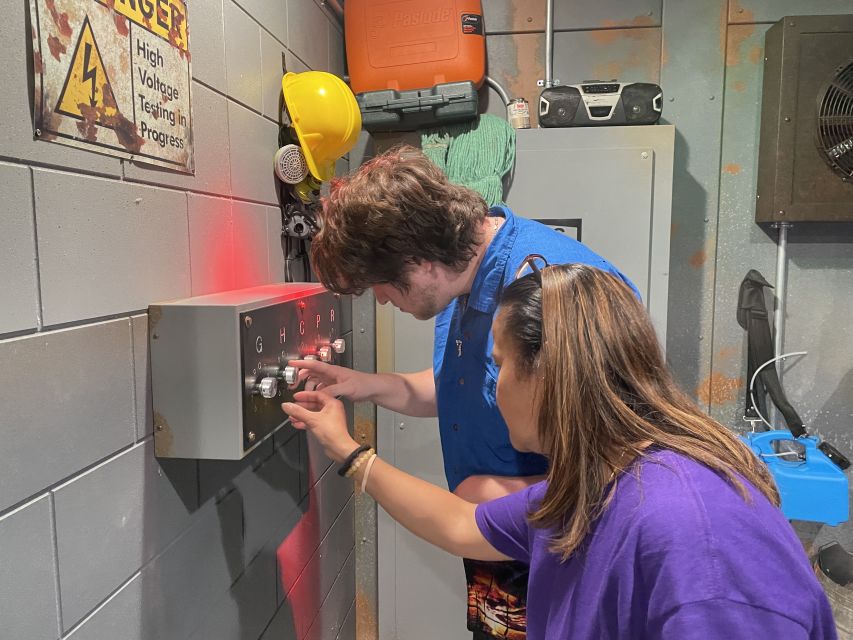
The story is simple: you have been accused of a crime you did not commit, and the only sensible response is to break out of jail. That premise gives the room a clear purpose from the moment you enter. You are not just solving random puzzles. You are trying to get out.
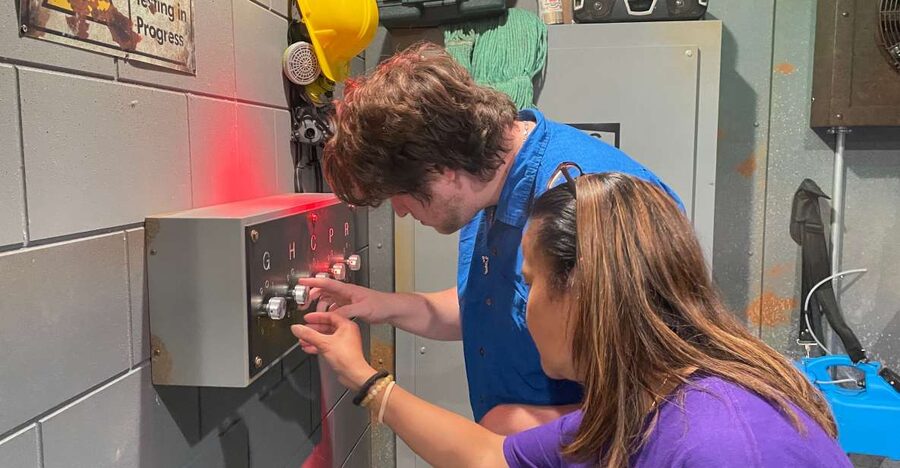
Your group of up to six searches the room for clues and works through codes and physical tasks. The exact puzzle sequence is not provided in advance, which is part of the fun. You might find that one person spots details quickly, another is good with numbers, and someone else knows how to organize a messy pile of clues.
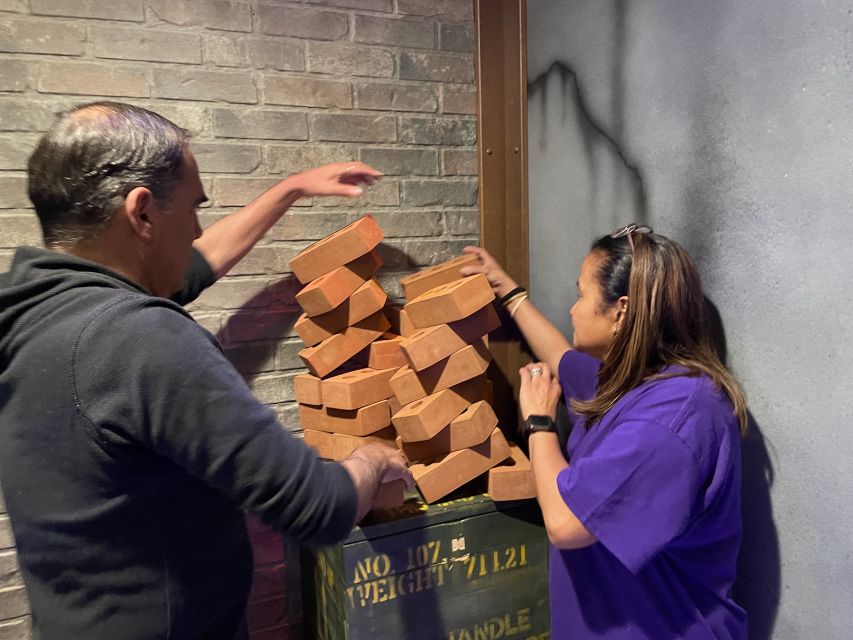
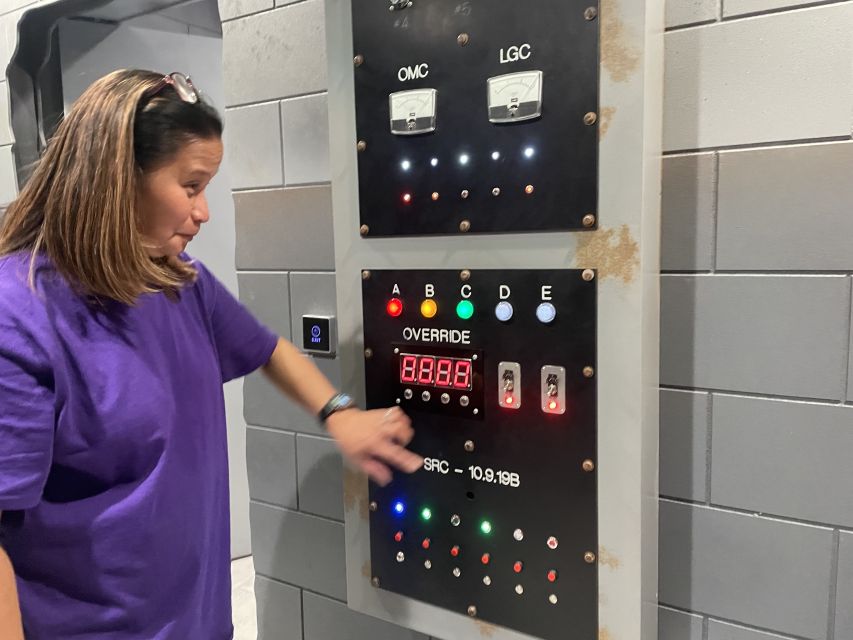
The room is designed with detailed props and tactile challenges. That matters because escape rooms work best when you can handle, inspect, and connect objects rather than stare at a wall of written clues. The prison setting also gives your group a common theme, so the activity feels more like a shared adventure than a series of unrelated brainteasers.
You receive 30 minutes, not an hour. That shorter format can be a strength if you have a packed day in San Francisco. It fits neatly between sightseeing stops, a meal, or other attractions near the waterfront and tourist center. The tradeoff is that there is little time for slow experimentation. If your group tends to debate every possibility, the clock will keep the pressure on.
More Escape Rooms in the USA
- The Escape Game San Francisco: Epic 60-Minute Adventures Downtown
★ 5.0 · 334 reviews - Prison Break Alcatraz Escape Room in Fisherman’s Wharf
★ 5.0 · 96 reviews - Outdoor Escape Room in San Francisco – SOMA/Embarcadero
★ 5.0 · 17 reviews
Finding the Flyer Thrill Zone Above Hard Rock Café
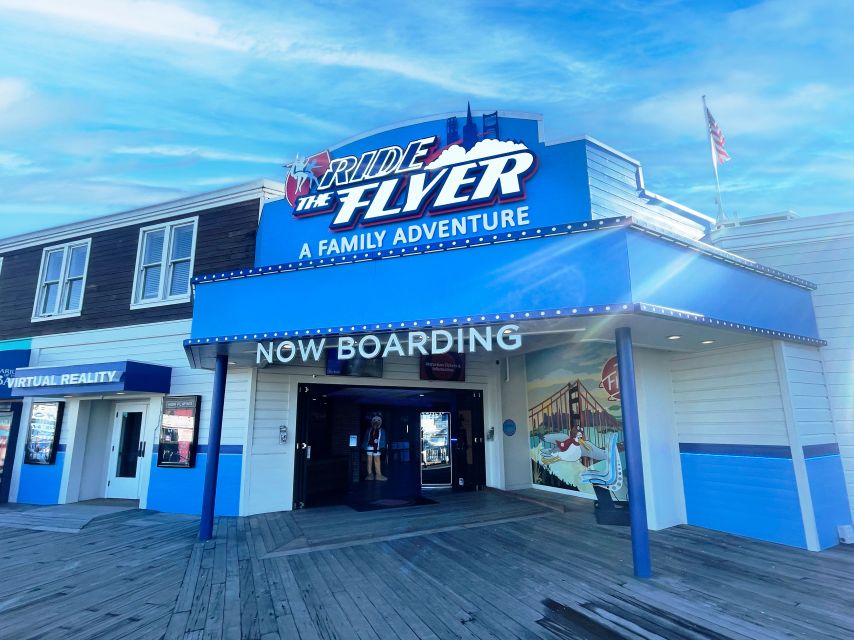
The starting point is the Flyer Thrill Zone on the second floor, above the Hard Rock Café. You show your ticket there before the activity begins, and the experience ends back at the same meeting point.
This is useful to know because the escape room is not presented as a separate street-level attraction with its own obvious entrance. Give yourself enough time to locate the second-floor venue, especially if you are meeting friends or arriving during a busy part of your San Francisco day.
Transportation is not included, so you make your own way to the meeting point. The booking information does not provide a transport service or pickup option. Plan the escape room as one stop in your own city itinerary rather than as a guided tour that carries you from place to place.
The location also makes this a practical choice for a short activity. You do not need to set aside half a day. Once you find the Flyer Thrill Zone, the main event is concentrated into the 30-minute challenge.
How the Clues and Teamwork Work
Escape rooms reward communication more than raw cleverness. I would suggest saying what you find out loud, even if the clue seems unimportant. A code, object, or mark that means nothing to you may fit perfectly with something another person has already noticed.
The prison setting gives you a role, but you do not need acting skills. You are there to solve tasks, not perform a scripted scene. If you enjoy puzzles and a little pressure, you can concentrate on the mission. If you prefer a story with extended character work, this experience may feel more puzzle-focused than theatrical.
The tactile design is one of the better reasons to choose this room. You are told to expect detailed props and hands-on challenges, so the activity asks you to look closely and interact with the space. That physical element can help a mixed group stay involved. A person who does not enjoy word puzzles may still contribute by examining an object or spotting a pattern.
The guide is part of the experience, not simply someone who checks you in. An English-speaking game guide is available to help your group. That support is valuable for first-timers, since a small hint can get you moving without giving away the whole solution.
I would not treat the guide as a guarantee that you will finish. Your team still has to make the connections and work within the time limit. The help is there to keep the game enjoyable when you hit a wall, not to solve the room for you.
Why a Private Group of Six Matters
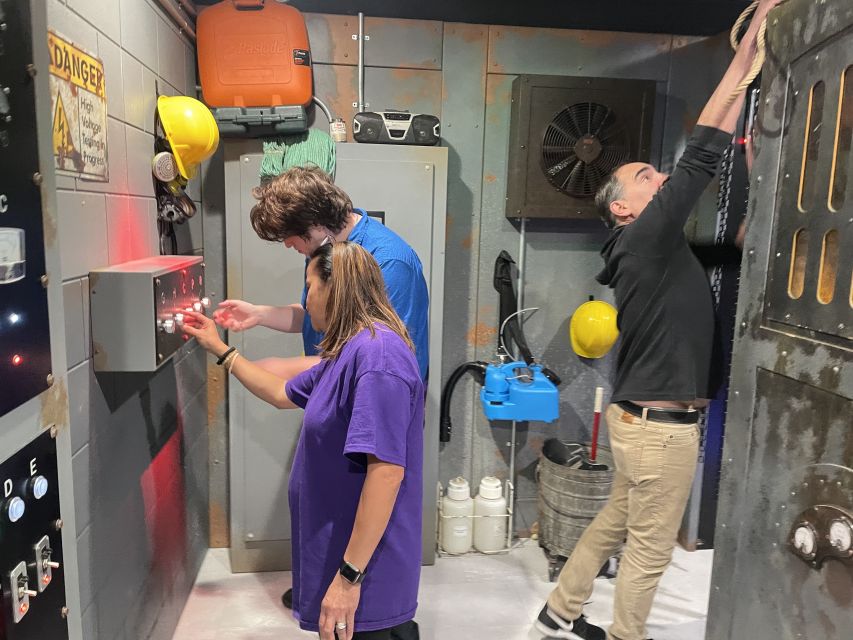
The maximum capacity is six people, and the group is private. That is a meaningful detail. You do not have to solve puzzles beside strangers, negotiate different playing styles, or worry that another party will dominate the room.
Six is also a practical upper limit. A larger group might sound more powerful, but too many people can crowd around the same clue. With up to six, you can divide the work while still hearing one another. Two people can examine the props, another can track codes, and the rest can test ideas.
Smaller groups may have a different experience. With two or three people, you have fewer eyes and fewer opinions, so each person carries more of the mental load. That can feel satisfying, but it can also make the 30-minute clock more demanding.
For a group of friends, this is a good way to test how well you cooperate under mild pressure. The activity can be playful, but it also reveals habits quickly. One person may rush ahead, another may want to inspect every detail, and someone else may naturally organize the clues. Good communication is not a side benefit here. It is part of the challenge.
More Escape Rooms in San Francisco:
- The Escape Game: Epic 60-Minute Adventures in San Francisco
★ 5.0 · 8 reviews - San Francisco: Gangster-Themed Escape Room at PIER 39
★ 5.0 · 3 reviews - Outdoor Escape Room in San Francisco – Castro
★ 4.0 · 2 reviews - Sofia Escape Room – Teorema Rooms
★ 5.0 · 895 reviews
The Clock: Where the Fun Pressure Comes From
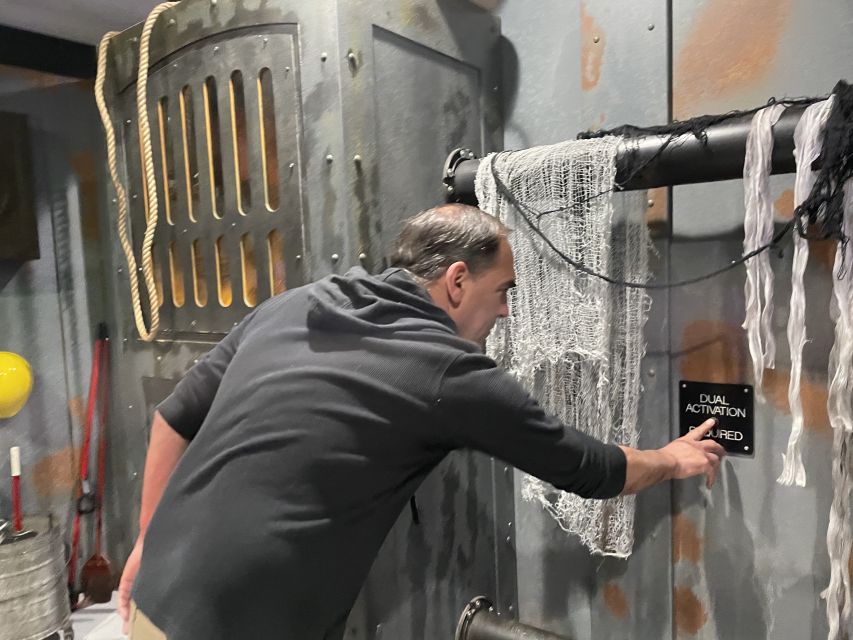
Thirty minutes is short enough to create urgency. You cannot spend ten minutes admiring a prop or debating one code while the rest of the room waits. I like that the activity respects your sightseeing schedule, but you should arrive ready to start working.
A useful approach is to divide the room without dividing the team. Have people examine different areas, but report findings clearly. If you discover a lock, symbol, or number, announce it rather than keeping it to yourself. Escape-room puzzles often depend on combining information from more than one place.
The short time limit may be less suitable for players who want a relaxed, unhurried puzzle session. It may also feel demanding for younger children. The recommended age is 13 and up because some of the content and puzzles may be too difficult for younger players.
Children under 16 must be accompanied by an adult. Anyone under 18 needs an adult to sign the waiver. These rules make the activity easier to plan for families, but they also mean this is not a drop-off attraction for teenagers.
Age, Access, and Comfort Inside the Room
The room has a locked door during play, but every door is equipped with an exit button. If you feel the need to leave, you can do so at any time. That is an important comfort feature for anyone who dislikes enclosed spaces or simply wants a clear way out.
The activity is listed as wheelchair accessible, but you should contact the local partner for specific accessibility information before booking. The general label is helpful, yet room layouts and individual puzzle access can vary. Ask about the exact space if you need detailed arrangements.
Food and drinks are not allowed inside the room. Have refreshments before or after the game rather than bringing them into the challenge.
The host and game guide speak English. If your group is not comfortable following spoken instructions in English, keep that in mind when deciding. The supplied information does not list other language options.
Is $28 a Fair Price for Half an Hour?
At $28 per person, the price is not cheap when measured only by the clock. You are paying roughly for a concentrated 30-minute activity, rather than a long tour with several stops or a full afternoon of entertainment.
The value improves if you are traveling with a private group and want a focused activity that does not consume much of your day. The room, props, game guide, and private booking are all part of what you are paying for. You also avoid the uncertainty of being paired with strangers.
For six people, the total cost is $168 before any additional booking charges. For a smaller group, the per-person price remains the same. I would compare it with the cost of another short indoor attraction, not with a museum ticket that gives you several hours of access.
The best value comes when your group enjoys solving things together. If only one person wants to participate while everyone else watches, the price will feel high. If all of you like puzzles, timed challenges, and a bit of friendly pressure, the short format can be exactly right.
Free cancellation up to 24 hours before the scheduled activity helps reduce the risk of booking ahead. You can also reserve now and pay later, which gives you some flexibility while planning your San Francisco schedule.
Who Will Enjoy Escape the Rock Most?
I would recommend this for friends, couples, families with older children, and small groups looking for something different from standard sightseeing. It is particularly useful on a rainy day or when you want an indoor activity that still asks you to move around and think.
First-time escape-room players should feel comfortable booking because a game guide is included. You do not need specialist puzzle experience. You do need a willingness to speak up, inspect the room, and accept that some ideas will fail.
The activity is also suited to people who prefer a private booking. You can bring your own group of up to six and set your own rhythm. That makes it a better fit for a family outing or a group of friends than for a solo visitor hoping to meet new people.
I would be more cautious about booking it for children under 13. Younger players are allowed, but the puzzles may be too difficult, and children under 16 need an adult with them. The 30-minute limit can add pressure rather than excitement for very young children.
Practical Tips for a Better Escape
Arrive with your whole group ready to play. Since the activity is only 30 minutes, late arrivals can have a noticeable effect on the team’s chance to make progress.
Before the timer takes over, agree on a simple plan. Look for clues, tell the group what you find, and avoid one person taking control of every task. The room is built for teamwork, so the strongest approach is usually to keep several people active at once.
Do not assume every object is useful, and do not assume an ordinary-looking detail is meaningless. Examine the props carefully, but move on if an idea is going nowhere. Your guide can offer help, so asking for a hint is better than spending most of the game stuck on one step.
Wear whatever allows you to move comfortably, though the supplied information does not state a specific dress code. Leave food and drinks outside the room. If you have any concern about the locked-door setup, remember that the exit button lets you leave at any time.
The staff are described as friendly and helpful, which matters in a timed activity. A calm guide can keep the mood fun when a group is stuck, and that support is especially useful if nobody in your party has tried an escape room before.
Should You Book Escape the Rock?
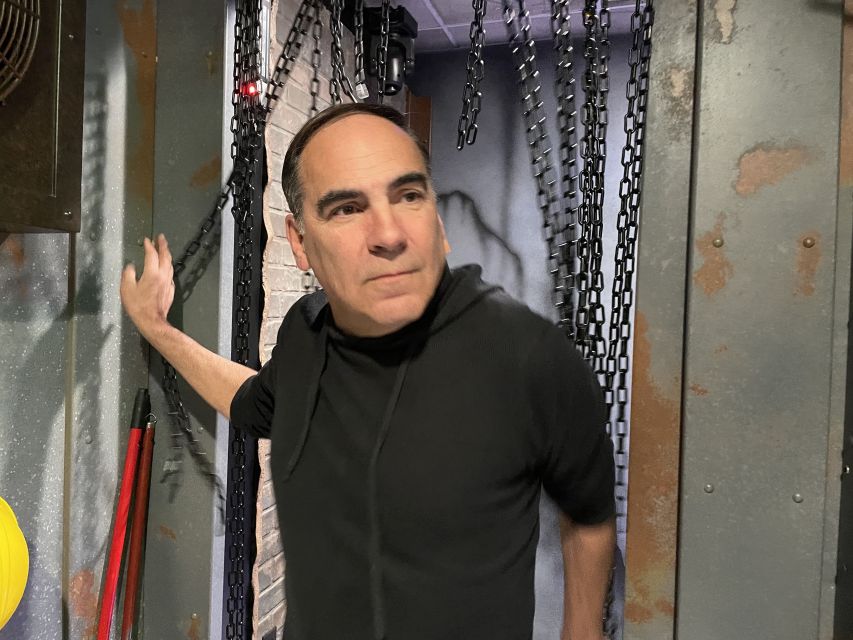
Book it if you want a compact, private puzzle challenge with a prison-break story, detailed props, and an English-speaking guide. At $28 per person, it makes the most sense for a group that will actively work together and values a short indoor activity near the Flyer Thrill Zone.
Think twice if you want a long attraction, a quiet experience, or puzzles without a clock. The 30-minute limit is the defining feature: it keeps the activity lively but leaves little room for hesitation.
For older children, friends, and first-time escape-room players, I see good value in the clear mission, private room, helpful staff, and easy exit button. Bring a cooperative group, arrive prepared to communicate, and treat the escape as a fast shared challenge rather than a full-day attraction.
FAQ
How long does Escape the Rock last?
The activity lasts 30 minutes. Check availability for the starting times offered on your chosen date.
Where do I meet for the activity?
Meet at the Flyer Thrill Zone on the second floor, above the Hard Rock Café. The activity ends back at the same meeting point.
How many people can join one game?
The maximum capacity is six people. The booking is for a private group.
What is included in the price?
The ticket includes the 30-minute adventure challenge and a game guide.
Is transportation included?
No. Transportation to and from the Flyer Thrill Zone is not included.
What language does the guide speak?
The host or greeter and game guide speak English.
Is the escape room wheelchair accessible?
The activity is listed as wheelchair accessible, but you should contact the local partner for specific information about accessibility in the room.
What are the age rules?
The game is recommended for ages 13 and up. Younger children are allowed, but some content may be too difficult for them. Children under 16 must be accompanied by an adult, and anyone under 18 needs an adult to sign the waiver.
Can I leave the room during the game?
Yes. The room has a locked door during play, but every door has an exit button. You can leave at any time if you need to.
Just added around San Francisco
- San Francisco: Gangster-Themed Escape Room at PIER 39★ 5.0 · 3 reviews
- An Exciting Scavenger Hunt: Along Fisherman’s Wharf★ 4.5 · 5 reviews
- San Francisco Gold Rush Secrets: Self-Guided Puzzle Quest★ 4.0 · 4 reviews
- Outdoor Escape Room in San Francisco – Castro★ 4.0 · 2 reviews
- Half Moon Bay Hustle Scavenger Hunt★ 3.5 · 3 reviews
- San Francisco Fisherman’s Wharf Scavenger Hunt Adventure★ 4.5 · 7 reviews
- Outdoor Escape Room in San Francisco – SOMA/Embarcadero★ 5.0 · 17 reviews
- The Escape Game at Fisherman’s Wharf in San Francisco★ 5.0 · 6 reviews
Escape Rooms, compared.


The Escape Game Orlando: Epic 60-Minute Adventures on I-Drive
Read our review →
The Escape Game Pigeon Forge: 60-Minute Adventures on The Island
Read our review →
The Escape Game Cincinnati: 60-Minute Adventures at The Banks
Read our review →

The Escape Game Honolulu: 60-Minute Adventures at Ala Moana
Read our review →
The Escape Game San Antonio: Epic 60-Minute Adventures at The Rim
Read our review →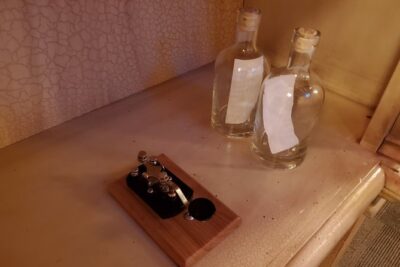
Browse the lists this tour appears in