
Reviewed · LISBON
Queer Lisbon – A Treasure Hunt in LGBT History
Lisbon’s queer history is not tucked into one museum. It is scattered through gardens, churches, old bars, court buildings, theaters, and ordinary streets. This walking tour brings those pieces together, from 19th-century scandals and secret police to Pride, HIV services, drag, bears, lesbians, and modern legal rights. Alex’s storytelling gives the city a different shape.
I like the small maximum of 15 people, which leaves room for questions and keeps the walk social rather than noisy. I also like the practical finish at Late Birds Hotel, where you can have a drink, meet the group, and take part in a pub quiz. The main drawback is simple: this is a long walking tour, and the full route can take close to four hours.
Key points to know
- Twenty-four stops cover both past and present, from the Portuguese Inquisition to Lisbon Pride and modern LGBTQ clubs.
- Alex leads in English and adds context, personal warmth, and plenty of stories beyond the plaques and guidebooks.
- The route is on foot, with no private transport, so bring good shoes and allow time for rests.
- The final stop is Late Birds Hotel, with a lounge, bar, garden, pool, quiz, and prizes.
- You receive Alex’s LONG LIST, a PDF guide to LGBTQ Lisbon normally valued at 15 euros.
- The price is $60.34, a fair deal if you want focused history, local nightlife tips, and a small-group experience rather than general sightseeing.
Why this walk reveals a different Lisbon
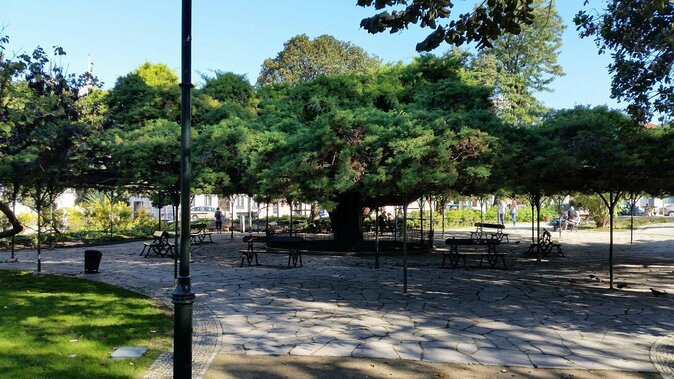
General city tours often cover Belém, explorers, tiled facades, and viewpoints. This one follows another set of clues. You move through Príncipe Real, Bairro Alto, Chiado, and nearby streets while learning how queer life survived dictatorship, police pressure, censorship, public scandal, and changing social rules.
The stories are not all cheerful. The monument to victims of homophobia in Jardim do Príncipe Real gives the tour a sober early pause. Later stops deal with HIV, legal battles, imprisonment, censorship, and people forced to hide relationships or identities. That balance matters. The walk celebrates Lisbon’s current queer scene without pretending the road here was easy.
Alex’s approach also gives the tour a personal feel. You can ask questions, pause for context, and follow subjects that catch your interest. The strongest parts are the unusual details: a drag pioneer, a bisexual performer working around wartime spying, a trans love story from church records, and old nightlife venues that still shape the city’s social map.
More Treasure Hunts in Portugal:
- Hamburg: Treasure Hunt Game through HafenCity
★ 4.7 · 364 reviews - St. Augustine: Treasure Hunt Cruise with Onboard Show
★ 4.4 · 315 reviews - Málaga: Private Sightseeing Treasure Hunt
★ 4.8 · 297 reviews
Starting in Príncipe Real with Pride and remembrance
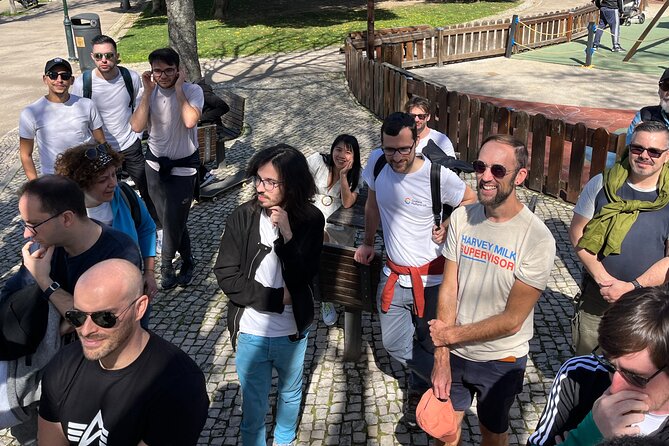
The meeting point is the playground at Praça do Príncipe Real, where the group begins with introductions. The first nearby stops set the tone: this is not only a nightlife tour, and it is not simply a history lecture.
In the garden, you visit Lisbon’s monument to victims of homophobia. It is a quiet moment, but it also points toward the progress that followed. You then look at Príncipe Real as the starting point for Lisbon Pride and the planned EuroPride connection mentioned for 2025. Alex explains what makes Lisbon’s Pride distinctive and why the square matters to the local community.
This opening works well because you quickly get both sides of the city: grief and celebration, memory and present-day public life. If you want only bars and party recommendations, the first section may feel more serious than expected. That seriousness is part of the value.
HIV, clubs, gardens, and the older nightlife map
The route then moves past GAT Checkpoint LX, where you hear about Portugal’s response to HIV and AIDS. You also get information about health services for queer men and women. This is useful for visitors who want more than a list of places to drink. It connects nightlife with the organizations and services that support the community.
Next comes Construction Lisbon Club, a long-running dance venue. Nearby lesbian venues add another layer, showing that Lisbon’s queer nightlife has never been just one scene with one audience. The tour treats clubs as social spaces with their own stories, not simply as places to party.
At the Botanical Garden, the tone turns older and more secretive. Alex tells stories about cruising in the 1950s, police attempts to control men’s behavior, and the curious incidents connected with the garden. This is one of the stops where the city’s ordinary public spaces become important historical evidence.
Trumps follows, with its two floors and two different moods. The club has operated since 1980 and is presented as an essential part of Lisbon’s queer nightlife. You do not need to enter every venue on the route, but you come away with a useful map of where different scenes have developed.
Lesbian bars, drag, bears, and places still in use
Several stops focus on specific communities and venues. On Rua de Gustavo de Matos Sequeira, you hear about O Gato Verde, Lisbon’s first lesbian bar and a long-running institution. The story helps correct the usual nightlife picture, which can lean too heavily toward gay male venues.
Praça das Flores brings the first drag bar into the story. The 1974 revolution opened space for drag and public expression, but that freedom did not move in a straight line. Alex explains the rise and fall of Lisbon’s first drag queen, showing how political change can bring both opportunity and backlash.
Bar 106 is a smaller stop, with a chance to leave a message for friends. Shelter Bar and Bar TR3S then introduce the bear scene from two angles. The latter connects bear pride with beach clubs, parties, a sauna, sports sponsorship, and community life. These details make the modern scene feel varied rather than reduced to one type of club.
Finally Club is another key nightlife stop. It is described as Lisbon’s oldest drag venue, with different shows at different times. That timing point is practical. If you plan to return later, ask Alex about the schedule and choose your night carefully.
History tours to book in Portugal:
- The Anatomist – Award Winning Historical Escape Room Experience
★ 5.0 · 151 reviews - Private city discovery tour – A Historical Treasure Hunt
★ 5.0 · 146 reviews - Fort Worth Stockyards History, Food, and Puzzle Tour
★ 5.0 · 38 reviews - Outdoor Escape Game Dubrovnik – The Spy And The Traitor (History theme)
★ 5.0 · 32 reviews
From dictatorship to constitutional protection
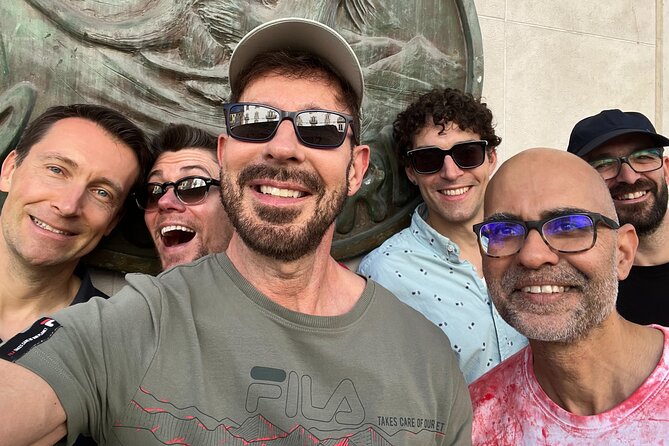
The walk’s legal and political section is one of its most useful parts. At the Constitutional Court, you hear how Portugal moved from dictatorship-era values toward constitutional protection for LGBTQ rights. The setting gives the subject weight. Rights are not presented as abstract ideas, but as outcomes of long legal and social struggles.
At Rua Luz Soriano, the focus shifts to the first homosexual manifesto and the early attempts to suppress it. The eventual success of those efforts shows how organized activism helped bring queer life into public debate.
These stops add needed structure to the stories about clubs and scandals. You learn not only who met where, but also how laws and institutions shaped what people could say, publish, wear, or do in public. If you are interested in Portuguese politics or modern European social history, this part may be among the most rewarding.
Scandal, secret rooms, and the Portuguese Inquisition

Rua do Trombeta brings a more theatrical story about the Two Fernandes, 19th-century love nests, luxury apartments, and later sauna culture. It is a good example of the tour’s method: take one address, connect it to several periods, and use it to show how private life changes with the city around it.
Purex adds a different note. This is a dance floor run by women, with a playful detail involving vagina jewelry. The stop keeps the route from becoming too solemn and shows how Lisbon’s queer scene has room for humor and experimentation.
At Maria Caxuxa, you hear about a woman who challenged convention in the 1940s and dismissed intrusive journalists. The story is a reminder that queer and gender-defying lives existed long before current language made them easier to describe publicly.
The stop at Travessa da Espera concerns a 19th-century scandal involving the Marquis of Valada and a common soldier. The account includes disgraced politicians, political blackmail, and eventual survival. It is the kind of story that makes old Lisbon feel less polished and more human.
The most extended historical stop is Igreja de São Roque. Here, the Portuguese Inquisition becomes a window into queer life in the 16th, 17th, and 18th centuries. You hear about sex in church, lesbian nuns, a demonic penis, and a trans love story. The visit lasts about 15 minutes, longer than most stops, so you have time to follow the details.
This section may not suit you if you want a light outing with no difficult material. The language and subjects can be frank. For many people, that directness is exactly what makes the tour useful.
Josephine Baker, queer writing, and the power of records
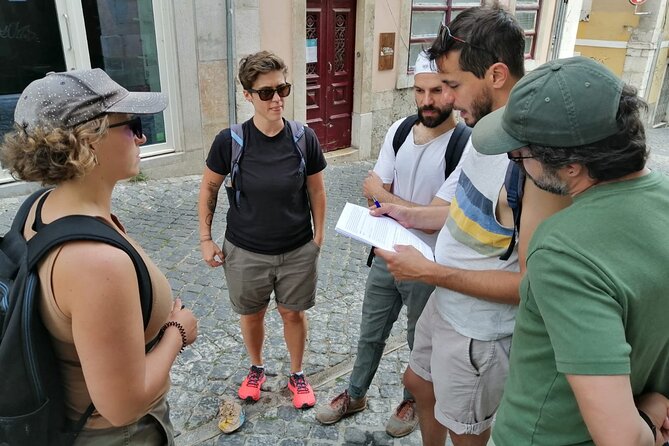
At Teatro da Trindade, Alex tells the story of Josephine Baker, the bisexual jazz legend who performed in Lisbon while using wartime travel and performance as cover for spying. The memorable detail involves secrets inside her bra. It is a lively story, but it also shows how queer figures can appear in several histories at once: entertainment, war, espionage, and sexuality.
On Rua da Misericórdia, the subject is women in love with women, queer fiction, and censorship. The stop shows how writers and censors sometimes worked around each other, leaving traces that are easy to miss if you read only official accounts.
At Hospital St. Louis, the focus turns to Fernando Pessoa and writing that is now being reclaimed as gay. Pessoa’s place in Portuguese literature is well known, but this stop asks you to look again at what the texts and relationships may tell us about his life and readership.
These stories are a strong reason to choose this tour over a standard LGBTQ nightlife crawl. You are not only shown where to go after dark. You are given people, documents, court cases, performances, and literary clues.
Finishing at Late Birds Hotel
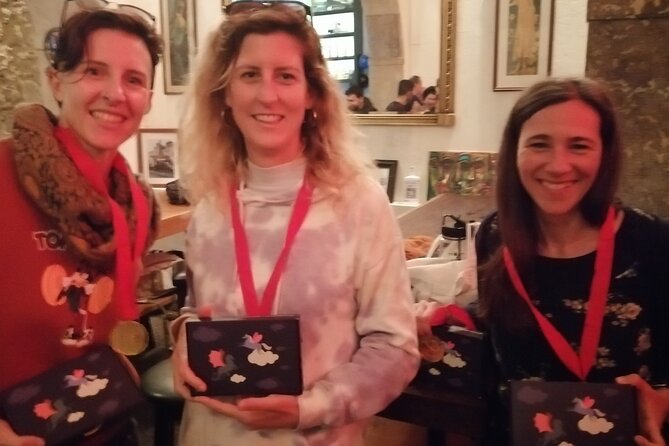
The final stop is Late Birds Hotel on Travessa André Valente. The tour ends in the lounge, bar, garden, and pool area of this gay hotel, with a pub quiz and prizes. If the weather is good, bring a swimming costume, though swimming is not presented as a required part of the activity.
This finish makes practical sense. You can sit down after the walk, continue talking with people from the group, and ask Alex for final suggestions. The PDF guide, Alex’s LONG LIST, is also useful here. It normally has a 15 euro value and gives you places to explore after the tour, including bars and free activities.
The route is social, but you should not expect a party bus or a constant bar crawl. Most of the time is spent walking and listening. The final drink is more of a relaxed landing point than the main event.
Price, pace, and who will enjoy it
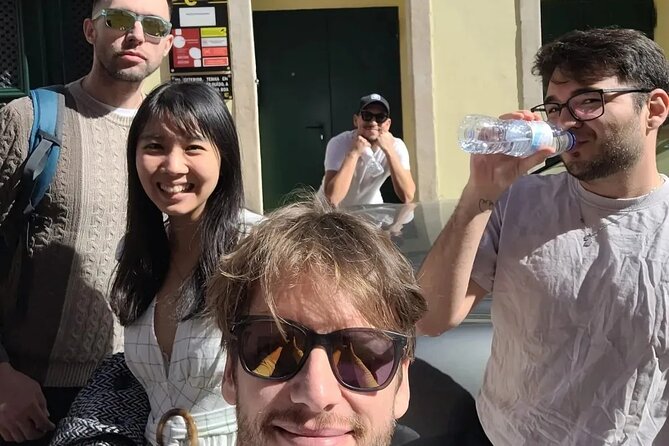
At $60.34 per person, this is not the cheapest way to see Lisbon. You are paying for a focused three-and-a-half-hour experience, a small group, an English-speaking guide, a detailed PDF, and access to stories that are hard to find in ordinary sightseeing material.
The value improves if you plan to use the guide during the rest of your stay. It can help you choose nightlife, find community services, and understand the places you pass at night. The tour is also a good choice if you have already seen Lisbon’s main monuments and want something tied to the city’s people and social life.
Plan for moderate physical fitness. There is no private transport, and the route involves walking between 24 stops. One account describes the full experience as close to four hours, so leave room in your schedule. Alex does build in chances to rest, but comfortable shoes still matter.
The tour is offered in English, accepts mobile tickets, and can accommodate service animals. It is available to people aged 16 and over. You must be 18 or older to drink legally at the final stop. The group maximum is 15, which is small enough for questions without making the outing feel private.
Free cancellation is available up to 24 hours before the start time. A cancellation inside that window is not refunded, and the experience requires a minimum number of participants. If that minimum is not met, you are offered another date or a full refund.
Should you book Queer Lisbon?
Book this tour if you want history with a human voice, are comfortable walking for most of an afternoon, and want to understand Lisbon’s queer life beyond the obvious nightlife addresses. It is especially useful for LGBTQ visitors, allies, history fans, and anyone who wants a ready-made list of places to explore afterward.
Think twice if you need a short, low-effort activity or prefer a conventional sightseeing route focused on monuments. The price is fair for the depth and the useful follow-up guide, but the route is extensive.
For me, the strongest reason to go is the mix: Pride and HIV services beside old scandals, drag venues beside church records, and modern clubs beside constitutional law. That range gives you a more honest picture of Lisbon, one that includes joy, risk, humor, loss, and hard-won progress.
FAQ
Where does the Queer Lisbon tour start?
It starts at the Príncipe Real Playground, Praça do Príncipe Real, 1250-184 Lisboa, Portugal.
Where does the tour finish?
It finishes at Late Birds Hotel, at Travessa André Valente 25, 1200-236 Lisbon. The final stop includes the hotel lounge, bar, garden, and pool area.
How long does the tour last?
The listed duration is approximately 3 hours and 30 minutes. You should allow close to four hours, as the walking route can run longer.
What language is the tour offered in?
The tour is offered in English.
How many people can join the group?
The maximum group size is 15 people.
Is transportation included?
No. Private transportation is not included. You walk between the stops.
What is included in the price?
The tour includes the guided walking experience, stories about Lisbon’s queer history and current scene, the chance to meet the group at Late Birds Hotel, and a PDF copy of Alex’s LONG LIST, an LGBTQ Lisbon guide normally valued at 15 euros.
Can people under 18 book the tour?
People aged 16 and older can book the experience. The legal drinking age is 18, so younger participants cannot legally drink at the final stop.
What is the cancellation policy?
You can cancel up to 24 hours before the start time for a full refund. Cancellations or changes made less than 24 hours before the start are not accepted for a refund.
Just added around Portugal
- Arrábida Shopping Centre: Space Wars Escape Room★ 4.5 · 2 reviews
- Arrábida Shopping Center: Wizard School Hogwarts Escape Room★ 4.4 · 5 reviews
- Braga Scavenger Hunt and Sights Self-Guided Tourer Hunt★ 5.0 · 21 reviews
- Lisbon (Chiado-Baixa) Scavenger Hunt and Sights Self-Guided Tour★ 5.0 · 17 reviews
- Lisboa: AXN Prison Robbery Escape Room★ 4.6 · 6 reviews
- Porto Escape Room : Prison Robbery★ 4.2 · 7 reviews
- Game Over – Ultimate Escape Room Private Experience★ 4.5 · 12 reviews
- Porto: Ace of Cups Escape Room Expereince★ 4.5 · 7 reviews
Treasure Hunts, compared.


St. Augustine: Treasure Hunt Cruise with Onboard Show
Read our review →
Fun, Flexible Treasure Hunt Around Manchester with Cryptic Clues & Hidden Gems
Read our review →
Fun, Flexible Treasure Hunt Around York with Cryptic Clues & Hidden Gems
Read our review →
Fun, Flexible Treasure Hunt Around Bath with Cryptic Clues & Hidden Gems
Read our review →York Treasure Hunt Adventure: The Mystery of The Gunpowder Snitch
Read our review →Browse the lists this tour appears in