
Reviewed · JACKSONVILLE
Jacksonville Jig Scavenger Hunt
Jacksonville’s mobile scavenger hunt turns sightseeing into a two-hour team game. You start at The Brick Coffee House, receive your quest from a live remote host, then walk or drive between stops while solving clues, sending photos, and taking on oddball challenges. It is less a guided tour than a playful city mission.
I like the way it gets three generations or mixed-age groups working together, and I like that it can show locals something new in their own city. The biggest consideration is the format: if you want a polished, step-by-step tour with a guide beside you, this may feel loose. Your phone, your team, and your willingness to play along do much of the work.
Key points to know
- Start downtown at The Brick Coffee House: The meeting point is 214 N Hogan St, with the game ending back there.
- Four named Jacksonville stops: The route includes Jacksonville Beach, Treaty Oak Park, Sweet Pete’s Candy, and Cancer Survivor’s Park.
- A remote host runs the game: You receive clues and challenges by phone, send photos and messages, and get help as you play.
- You may walk or drive: The activity moves between indoor and outdoor settings, so plan for a self-directed outing rather than a fixed walking tour.
- A charged smartphone is essential: Your team needs GPS, data, texting, and the ability to send photos and videos.
- Good for groups that enjoy competition: Bonus challenges and an international leaderboard add a race element, while the activity also welcomes families and dogs.
Jacksonville sightseeing with a game attached
The clever idea here is simple: instead of hearing a guide explain Jacksonville from one spot, you use the city itself as your game board. Your team gets a digital quest from a remote host, then works through clues, photo tasks, and challenges at several locations.
That changes the mood. A normal sightseeing stop asks you to look around. This one asks you to notice details, make decisions, and sometimes do something silly in public. You may need to work with your group, ask a local a question, or send photographic proof to the host. The result can be much more social than a standard city tour.
The activity lasts about two hours, though the exact pace depends on your team and how you move between checkpoints. You are not locked into a guide’s walking speed. You can walk or drive, which matters in a spread-out city such as Jacksonville. It also means you should think about transportation before you begin, especially if your group includes children, older relatives, or anyone who does not want a long walk.
The host is remote but interactive. Your team receives instructions by phone, and the host cheers you on, checks your progress, offers assistance, and scores your work. You are not simply downloading a list of tasks and being left alone. Still, the host is not physically beside you, so the experience depends on your group taking initiative.
More Scavenger Hunts in the USA
- An Epic Scavenger Hunt: New York City Central Park Adventure
★ 4.5 · 244 reviews - Creative Soul Scavenger Hunt of Santa Fe
★ 5.0 · 62 reviews - Keep Austin Weird Scavenger Hunt
★ 4.0 · 51 reviews
Starting at The Brick Coffee House

The stated meeting point is The Brick Coffee House at 214 N Hogan St in downtown Jacksonville. This gives your group a clear place to gather, charge up, and make sure everyone understands the phone requirements before the clock starts.
Bring at least one fully charged smartphone for each team. It must have GPS, mobile data, texting, and the ability to send and receive photos and videos. This is not a small technical note. The phone is your clue sheet, scorecard, camera, and link to the host.
You also need to provide a correct, working domestic phone number when booking. If you use an international number, or if normal texting creates a problem, the game can be handled through WhatsApp or email. Give the operator those details ahead of time through a message so you do not spend the opening minutes sorting out contact problems.
The start is also a good moment to divide jobs. One person can watch the messages, another can handle navigation, and someone else can take photos. Let children read clues or look for details. The game works best when the phone does not become the property of one adult while everyone else trails behind.
Jacksonville Beach: an early change of scene
Jacksonville Beach gives the hunt a very different setting from the downtown meeting point. The name alone signals a broad shift from city streets to the coast, and it is one reason you should not assume this is a compact, entirely walkable downtown activity.
At this stop, your team may be asked to find something, photograph something, or complete a challenge connected to the setting. The exact tasks are delivered during the game, so you should not expect a printed list of fixed riddles in advance. That uncertainty is part of the fun, but it also means you cannot fully plan the route from the published stop names alone.
The beach stop makes the experience more active and varied. You are not looking at the same type of building for two hours. You move through an outdoor place, then continue to other parts of Jacksonville. If weather is poor, the outdoor portions may be less comfortable. Wear shoes suitable for walking and bring whatever you normally need for time outside.
For families, the beach setting may help keep the youngest players interested. For adults, it adds a sense of movement and discovery. The tradeoff is practical: a route that includes Jacksonville Beach may require driving, and traffic or parking could affect how quickly your group completes the tasks.
Treaty Oak Park and Jacksonville’s living landmark
Treaty Oak Park is another strong contrast. Its centerpiece is a large live oak, a natural feature that gives the team something memorable to seek out rather than another indoor business or formal attraction.
A place like this works well for a scavenger hunt because it rewards close attention. Your team may need to study the surroundings, frame a photo, or complete a prompt tied to the park. The experience encourages you to notice a place rather than simply pass through it on the way to somewhere else.
Treaty Oak Park also gives the game a calmer pause between more active challenges. You can take a moment to regroup, read the next message, and decide who will handle the next task. That matters in a group with competing personalities. A good team needs a little strategy, not just speed.
Do not treat this as a full park tour. The activity gives you a reason to visit the location, but the host’s challenges remain the main purpose. If you want detailed information about the oak or a long explanation of Jacksonville’s past, this format will not provide it. You are there to solve, photograph, and play.
Same streets, a different set of clues:
- Branson Murder Mystery- Branson’s Original #1 Murder Mystery
★ 5.0 · 1,513 reviews - The Escape Game Orlando: Epic 60-Minute Adventures on I-Drive
★ 5.0 · 730 reviews - The Escape Game Pigeon Forge: 60-Minute Adventures on The Island
★ 5.0 · 646 reviews - The Escape Game Nashville Berry Hill
★ 5.0 · 546 reviews
Sweet Pete’s Candy adds an indoor reward

Sweet Pete’s Candy brings a lighter, more colorful stop into the route. It is an indoor location and fits the hunt’s promise to alternate between outside and inside settings.
This stop should appeal to groups with children, but adults may enjoy it too. Candy gives the team a quick change of pace after outdoor checkpoints, and it creates an easy setting for a photo challenge or a clue that depends on observation. The activity description does not promise a tasting, purchase, or private candy experience, so do not book this expecting a dedicated confectionery tour.
The value here is variety. A city game can become tiring if every checkpoint asks you to search the same kind of public space. Moving to a candy-focused location makes the two-hour session feel less repetitive. It also gives your group a place where playful behavior feels natural, which may help anyone who was hesitant about the wacky challenges.
Keep your team together and follow the host’s instructions. The route is self-directed, and the experience depends on completing the correct tasks rather than simply collecting places. A stop name is not the same thing as a full attraction visit.
Cancer Survivor’s Park brings a more thoughtful note
Cancer Survivor’s Park gives the route a different tone. It is a public place connected to survival and remembrance, so your group should treat it with respect even while taking part in a game.
This stop shows why the experience is more than a race from one address to another. Jacksonville has public spaces with different purposes, and a good team will adjust its behavior as the setting changes. A silly challenge that works at a candy shop may not suit a reflective park.
The available information does not specify the exact clue or task here. You will receive that from the remote host during play. I would approach this checkpoint with patience, listen carefully to the wording, and avoid turning the setting into a noisy photo prop. The game can still be fun while your group remains aware of where it is.
This is also one reason the activity may suit adults and older children better than very young children alone. The host can guide the tasks, but your group remains responsible for judging what is appropriate at each location.
What the remote host actually adds
The remote host is central to the experience. You text photos and updates, receive new instructions, and get encouragement while your team moves around Jacksonville. The host can also help if you are stuck.
That support gives the game energy. It is easier to commit to a silly task when someone on the other end is waiting for your photo and cheering you forward. The host also helps turn a loose city outing into a timed competition.
The game includes 20 challenges, according to the operator’s clarification. That is important because the activity should not be understood as only a short list of four destinations. The named stops are anchors, while the actual play includes additional tasks and bonus challenges.
At the same time, your expectations should be realistic. The quality of a scavenger hunt depends on how clearly the clues are written and how well your team interprets them. Some people love the freedom and humor. Others may find a remote format less satisfying if they want precise directions and detailed explanations at every stop.
The feedback attached to this experience is sharply mixed. One family group spanning three generations found the challenges clever and funny, enjoyed racing up the leaderboard, and discovered places that even long-time Jacksonville residents did not know. Another person felt the clues were simply a short list of places and considered the experience poor value. The operator responded that the game includes 20 challenges and suggested that the complaint may have concerned another local company. That difference tells you exactly what to consider: this is best for an active group that enjoys improvised fun, not for someone seeking a conventional sightseeing lesson.
Competition, teamwork, and the international leaderboard
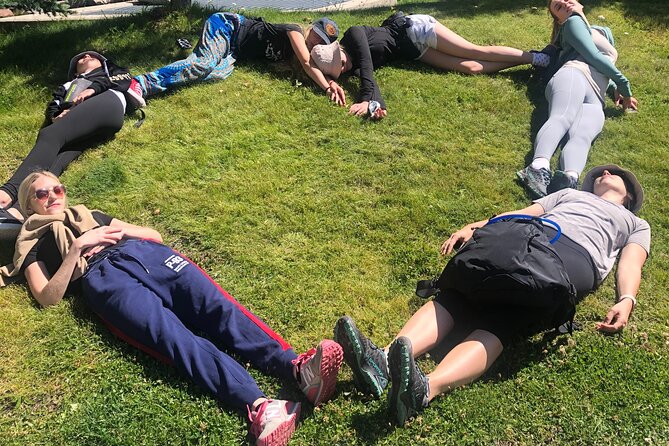
The international leaderboard gives the hunt a clear competitive edge. You can compare your score with other teams, which adds pressure and gives your group a reason to complete bonus challenges rather than stopping after the basic route.
Competition can bring people together, especially in a birthday group, corporate outing, bachelor or bachelorette gathering, or friend trip. It can also create friction if one person wants to race while another wants to stop and look around. Decide before you start how seriously you want to take the score.
The game is designed to get you outside your comfort zone. That may mean performing a funny task, approaching a local, or sending a photo that proves you completed a challenge. If your group is shy, the host’s encouragement helps, but it cannot remove the need to participate.
I would form teams with a mix of skills. Put the confident navigator with the person who spots details. Give children useful jobs instead of treating them as passengers. The best result is not always the fastest score. A team that laughs, shares decisions, and keeps everyone involved will probably get more from the outing.
Who gets the best value from this activity
This hunt is a good fit for families, groups of friends, curious locals, corporate teams, and special occasions. It is also family-friendly and dog-friendly, and service animals are allowed. Most people can participate, and the activity is near public transportation.
You will probably enjoy it if you like:
- Solving clues rather than following a guide
- Taking photos and sending them by phone
- Mixing outdoor and indoor stops
- Competing against other teams
- Laughing at challenges that may feel a little silly
- Finding local places you have not visited before
You may prefer another type of tour if you want a fixed route, a guide beside you, or a detailed lecture about Jacksonville. The operator also offers custom-designed experiences and virtual team builders, but those are separate options rather than included parts of this booking.
The maximum group size is 30 people. That makes the activity workable for a large outing, but a group that size may need clear team organization. Ask about custom arrangements if you are planning a corporate event or a large celebration.
Value, timing, and practical planning
No price is provided here, so I cannot judge the exact dollar value. The right comparison is with what the fee includes: about two hours of organized play, a remote host, challenges at several Jacksonville locations, photo interaction, bonus tasks, and access to a leaderboard.
That can be good value for a group that would otherwise spend time deciding where to go. You are paying for structure, competition, and a shared activity. You are not paying for admission to a major attraction, a meal, or a traditional guide-led history tour, so those should not be part of your value calculation.
Plan for more than simply standing at the starting point. You may walk or drive, and the named stops cover different parts of the city. Bring a fully charged phone, keep mobile data available, and confirm that your team can send images. Comfortable clothing makes sense because the activity shifts between outdoor and indoor locations.
Free cancellation is available if you cancel at least 24 hours before the start time. Inside that window, the payment is not refunded, and last-minute changes are not accepted. The cut-off uses Jacksonville local time.
Should you book the Jacksonville Jig Scavenger Hunt?
Book it if your group wants a playful, phone-based way to move around Jacksonville and does not mind a few unpredictable tasks. The strongest reasons are the mix of locations, the live remote host, the chance to involve several generations, and the competitive leaderboard.
Think twice if you want a polished sightseeing route with a guide explaining every stop. The route is self-directed, the clues arrive during the game, and the experience depends heavily on your team’s energy. Bring the right phone, organize your group, and treat the stops with respect. With those expectations, this can turn a normal Jacksonville outing into a funny shared story.
FAQ
How long does the Jacksonville Jig Scavenger Hunt last?
The activity lasts approximately two hours.
Where does the scavenger hunt begin?
It begins at The Brick Coffee House, 214 N Hogan St, Jacksonville, Florida 32202.
Where does the activity end?
The activity ends back at the meeting point at The Brick Coffee House.
Which Jacksonville locations are included?
The named stops are Jacksonville Beach, Treaty Oak Park, Sweet Pete’s Candy, and Cancer Survivor’s Park.
Is the scavenger hunt guided in person?
No. A live remote host sends the digital quest, challenges, and assistance through your phone while your team completes the activity on its own.
What phone does my team need?
Each team must bring at least one fully charged smartphone with GPS, mobile data, and the ability to send and receive texts, photos, and videos.
Can I use an international phone number?
If you have an international number or technical problems with regular texting, you must complete the game through WhatsApp or email. Provide that contact information in advance through a message.
Are families and dogs allowed?
Yes. The activity is family-friendly and dog-friendly. Service animals are also allowed.
What is the cancellation policy?
You can cancel at least 24 hours before the start time for a full refund. Cancellations or changes made less than 24 hours before the start time are not accepted for a refund.
Just added around the USA
- Vail Venture Scavenger Hunt★ 3.5 · 8 reviews
- Save the Mountain Escape Room Adventure★ 5.0 · 4 reviews
- Tybee Island, Georgia Scavenger Hunt★ 4.0 · 7 reviews
- A Spectacular Scavenger Hunt: Center of the Universe★ 4.0 · 4 reviews
- Tucson Scavenger Hunt by Wacky Walks★ 4.5 · 2 reviews
- Amazing Scavenger Hunt: Desert Oasis★ 3.5 · 3 reviews
- Thrilling Traverse City Scavenger Hunt★ 4.0 · 7 reviews
- Murder Mystery Detective Experience in Sierra Vista AZ★ 4.5 · 4 reviews
Scavenger Hunts, compared.

Amazing Cozumel Race: Small-Group Tour and Scavenger Hunt
Read our review →
An Epic Scavenger Hunt: New York City Central Park Adventure
Read our review →

Escaping and spying on the Berlin Wall Scavenger hunt
Read our review →